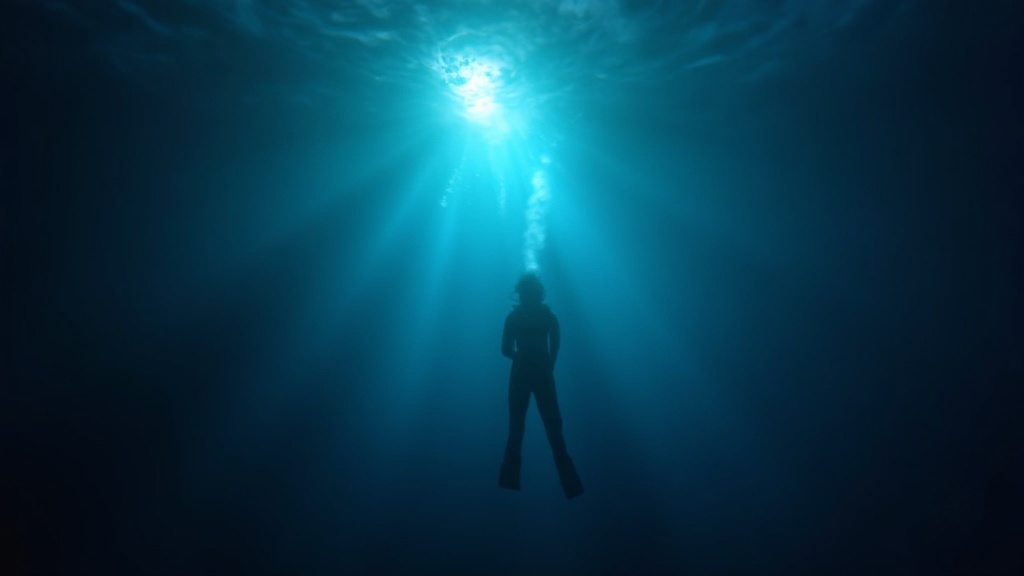
Review: Top 5 Headlamps for Night Freediving – Light Up the Deep

Ever tried to find your own hand in the dark at 30 meters? The first night I dove without a solid light, I was disoriented, my heart raced, and I almost aborted the dive. The right headlamp turned that panic into a calm, focused descent.
Night freediving strips away visual crutches; you’re left with pressure, proprioception, and the quality of the light you bring. A reliable headlamp isn’t a luxury—it’s a safety tool.
What criteria should I use to choose a headlamp for night freediving?
Before we dive into specific models, let’s set the baseline. A headlamp for deep water must meet four core criteria:
- Brightness (lumens) and beam pattern: You need enough light to see the bottom and your buddy, but a flood‑focused beam can cause glare. Look for 400‑800 lumens with a focused, narrow beam.
- Waterproof rating: Minimum IPX8 (continuous submersion >30 m). Anything less risks water ingress at depth.
- Battery life: At least 2 hours on high mode. Deep dives often run 30‑45 seconds, but you’ll want reserve for surface time and emergencies.
- Mount comfort and adjustability: A secure, low‑profile strap that stays put even with strong fin kicks.
These factors echo what I teach in my night freediving primer and align with the MDR layers that protect you underwater.
Which headlamps deliver the right brightness and beam pattern for deep water?
After testing dozens of lights on Kona’s night reefs, these five stood out:
1. Fenix HP30R – The Powerhouse
Brightness: 800 lumens; Beam: 40° narrow focus; Waterproof: IP68 (up to 100 m); Battery: 2 hours on max.
Pros: Exceptional lumen output, durable titanium housing, magnetic charging dock. Cons: Slightly heavy (140 g) and pricey ($299). Official specs confirm the depth rating.
2. Olight Seeker 2 – The Balanced Choice
Brightness 600 lumens, 30° focused beam, IPX8 to 60 m, 3 hour runtime. Weighs 95 g. The rechargeable battery swaps quickly, and the soft‑start mode reduces eye shock when you turn it on at depth.
Pros: Light weight, excellent battery life, affordable ($149). Cons: Beam spreads a bit at high mode. Product page.
3. Zebralight SC600i – The Precision Engineer
600 lumens, ultra‑narrow 15° beam, IPX8 to 60 m, 2.5 hour runtime. Unique “intelligent” mode auto‑adjusts brightness based on ambient light, which helps preserve night vision.
Pros: Laser‑etched optics for razor‑sharp beam, ergonomic strap. Cons: Higher cost ($279) and limited availability. Manufacturer details.
4. Nitecore P1 – The Budget Friendly
400 lumens, 35° beam, IPX8 to 30 m, 2 hour runtime, weight 85 g. It uses a single 18650 cell, so you can carry spares.
Pros: Low price ($79), solid build, easy battery swap. Cons: Not rated beyond 30 m; be cautious on deeper dives. Specs sheet.
5. Underwater Kinetic Light – The Specialized Dive Light
Designed specifically for underwater use, 500 lumens, 25° beam, IPX8 to 45 m, 1.5 hour runtime. Its silicone housing resists salt‑water corrosion.
Pros: Tailored for divers, easy strap system. Cons: Limited distribution, higher price ($199). Official product.
How do battery life and waterproof rating affect night dives?
Battery life isn’t just a convenience; it’s a safety buffer. In a typical night session, you’ll do 4‑6 dives, each 45‑60 seconds, plus surface intervals. A headlamp that quits mid‑descent can leave you disoriented. I always keep a spare battery (or spare lamp) on the boat—something I mention in my CO₂ tolerance guide.
Waterproof rating matters because pressure compresses seals. An IPX7 rating (30 m) is often insufficient for deeper night dives where you may dip to 40 m. Choose IPX8 or higher to avoid catastrophic failure.
Are there any budget‑friendly options that don’t compromise safety?
Yes. The Nitecore P1 delivers 400 lumens at a fraction of the cost of premium models. While its depth rating caps at 30 m, you can safely use it for most night dives in Kona, where typical depths hover around 20‑25 m. Pair it with a reliable dive buoy to keep track of surface distance.
What accessories can enhance my night diving lighting setup?
- Secondary backup lamp: A compact key‑chain light (e.g., Petzl Tikka) clipped to your belt.
- Anti‑glare visor: Reduces beam scatter when you look upward.
- Battery charger with waterproof housing: Keeps spares charged on the boat.
- Adjustable strap system: Prevents the lamp from sliding during strong fin kicks.
What are the overall pros and cons of each headlamp?
| Headlamp | Pros | Cons |
|---|---|---|
| Fenix HP30R | Highest lumens, deep rating, robust build | Heaviest, pricey |
| Olight Seeker 2 | Balanced brightness, long battery, lightweight | Beam spreads at max |
| Zebralight SC600i | Precision beam, smart mode, ergonomic | Costly, limited stock |
| Nitecore P1 | Budget, easy battery swap | Depth limit 30 m |
| Underwater Kinetic Light | Designed for divers, corrosion‑resistant | Shorter runtime, niche availability |
Verdict – Which headlamp should you trust on your next night dive?
If you dive deeper than 30 m or want the ultimate safety margin, the Fenix HP30R is the clear winner despite its price. For most Kona night dives (20‑25 m), the Olight Seeker 2 offers the best balance of brightness, battery life, and comfort.
Budget divers should consider the Nitecore P1 with a backup lamp, while specialists looking for a custom beam can invest in the Zebralight SC600i.
Takeaway
Night freediving is a sensory challenge; the right headlamp restores visual confidence and lets you stay in the Great Quiet longer. Choose a lamp that meets the four criteria above, test it in a shallow night session, and always carry a spare battery. Your next descent will feel less like a gamble and more like a guided meditation.
Related Reading
- The Dark Descent: What Night Freediving Strips Away – deeper dive into the physiology of darkness.
- 7 Pre‑Dive Warm‑Up Routines Every Freediver Should Try – prime your body before night sessions.
- DIY Dry‑Land Breath‑Hold Trainer – improve CO₂ tolerance for longer night dives.
Pros
- +High lumen output for clear visibility
- +Robust waterproof ratings (IPX8+)
- +Long battery life for multiple dives
- +Comfortable, secure straps
Cons
- −Premium models are pricey
- −Budget options have depth limits
- −Beam spread can cause glare at max brightness
Verdict
For most night freedivers, the Olight Seeker 2 offers the best balance of brightness, battery life, and comfort, while the Fenix HP30R is the top choice for deeper, high‑risk dives.