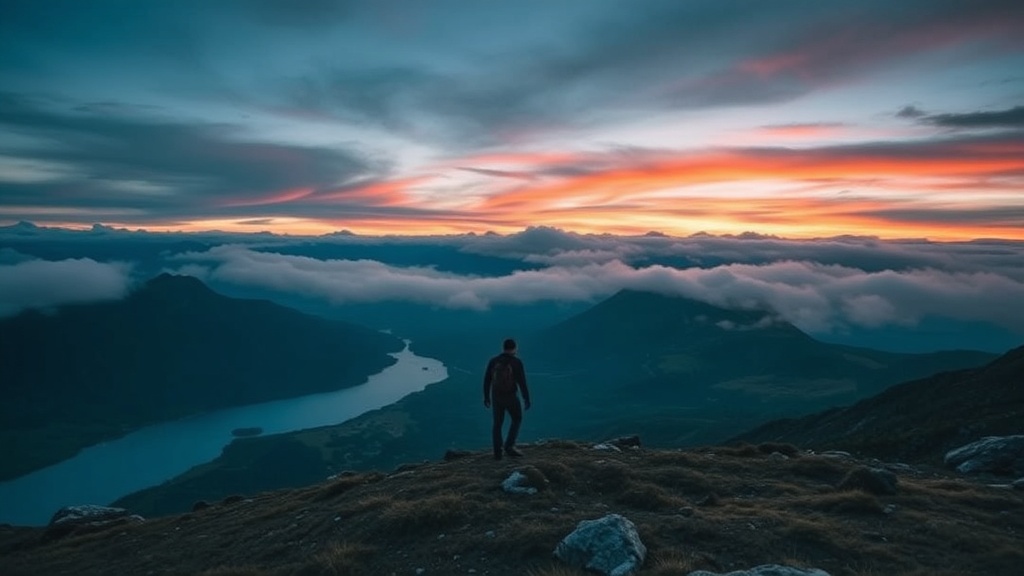
What to Pack for a Solo Trek in the Patagonian Wilderness
A sudden drop in temperature turns a light drizzle into a freezing sleet storm in the middle of the Torres del Paine circuit. A solo hiker, lacking a high-quality hardshell or a proper thermal base layer, begins to experience the first stages of mild hypothermia as their core temperature dips. This scenario is common in Patagonia, where the weather is famously unpredictable and can transition from sunshine to gale-force winds in minutes. This guide provides a comprehensive packing list for solo trekkers heading to the Patagonian wilderness, focusing on gear that prioritizes thermal regulation, durability, and safety in extreme environments.
The Layering System for High Winds and Variable Temps
The most critical aspect of packing for Patagonia is the ability to manage moisture and temperature through a tiered layering system. The wind in the Southern Patagonian Ice Field can reach speeds that make even a light breeze feel biting. You must be able to add or subtract layers without stopping your movement for too long, as sweating leads to damp clothing, which increases the risk of cold-related injuries.
Base Layers
Avoid all cotton. Cotton absorbs moisture and stays wet, which is dangerous in high-latitude environments. Opt for high-quality Merino wool or synthetic moisture-wicking fabrics. A 200g weight Merino wool long-sleeve shirt, such as those produced by Icebreaker or Smartwool, provides excellent thermal regulation and odor resistance for multi-day treks. Pair this with mid-weight Merino leggings to protect your lower body from wind chill and abrasive vegetation.
Mid Layers
Your mid-layer is responsible for trapping heat. A technical fleece, like the Patagonia R1 Series, is ideal because it is breathable during high exertion but retains heat when you stop. For colder stretches or when setting up camp, a lightweight "puffy" jacket is non-negotiable. A down jacket with a high fill power (800+) offers the best warmth-to-weight ratio, but ensure it is treated for moisture resistance. If you expect heavy precipitation, a synthetic insulated jacket like the Arc'teryx Atom may be a more reliable choice as synthetic insulation retains more warmth when damp.
Outer Shells
The hardshell is your primary defense against the legendary Patagonian wind and rain. You need a professional-grade waterproof/breathable jacket. Look for a garment with a minimum of 20,000mm waterproof rating and a high breathability rating (RET < 6). A Gore-Tex Pro shell is the gold standard here. Ensure the jacket has a helmet-compatible hood and adjustable cuffs to seal out the wind. Do not rely on a light "rain shell" or a windbreaker; the gusts in the Southern Andes will penetrate thin fabrics easily.
Shelter and Sleeping Systems
When trekking solo, your shelter is your sanctuary. It must be able to withstand high-velocity winds and heavy rain without collapsing or leaking. A lightweight backpacking tent is not enough if it lacks the structural integrity for mountain weather.
The Tent
Select a 3-season or 4-season tent with a low profile and sturdy pole geometry. A geodesic or semi-geodesic design, such as the Big Agnes Copper Spur or the MSR Access series, is preferable because these shapes distribute wind pressure more effectively. Ensure your tent has a full-coverage rainfly that reaches all the way to the ground to prevent wind from getting underneath the fly and lifting the structure.
Sleeping Bag and Pad
Your sleeping bag should be rated at least 10°C (18°F) lower than the lowest expected temperature in the region. If you are trekking near El Chaltén, expect temperatures to dip toward freezing even in summer. A down sleeping bag provides excellent compression, but a high-quality synthetic bag is a safer bet if you are worried about condensation inside the tent. For insulation from the ground, use an insulated sleeping pad with an R-value of at least 4.0. The Therm-a-Rest NeoAir series is a reliable choice for providing both comfort and thermal protection from the frozen earth.
Footwear and Navigation
The terrain in Patagonia ranges from loose scree and muddy forest floors to rocky river crossings. Your footwear must be rugged and waterproof to prevent blisters and frostbite.
Boots and Socks
Mid-to-high cut trekking boots are essential for ankle support on uneven trails. Choose a boot with a Gore-Tex liner, such as the Salomon Quest 4 GTX, to keep feet dry during stream crossings and rain. Complement your boots with specialized trekking socks. A combination of a thin liner sock and a thicker Merino wool hiking sock (like Darn Tough) will help manage moisture and prevent friction-induced blisters. Always pack at least three pairs: one to wear, one to dry, and one dedicated strictly for sleeping.
Navigation and Safety
Do not rely solely on a smartphone for navigation. GPS signals can be unreliable in deep valleys, and battery life drops significantly in cold temperatures. Carry a dedicated GPS device like a Garmin inReach Mini, which also provides satellite SOS capabilities—a vital tool for solo travelers. Additionally, carry a physical topographic map of the area and a reliable compass. If you are planning to venture into remote areas, understanding why you need a portable water filter is equally critical, as you must be able to treat water from glacial streams or lakes to avoid gastrointestinal distress.
Essential Gear Checklist
To ensure you haven't overlooked the small but vital items, use this categorized list for your final pack check:
- Hydration: A 2-liter bladder or durable Nalgene bottles, plus a filtration system (Sawyer Squeeze or Katadyn BeFree).
- Cooking: A compact canister stove (like the Jetboil Flash), fuel, a long-handled spoon, and a titanium mug.
- Lighting: A high-lumen headlamp with extra batteries (e.g., Black Diamond Spot) and a lightweight lantern for the tent.
- First Aid: Blister treatments (Compeed or Moleskin), antiseptic wipes, ibuprofen, and any personal medications.
- Sun/Skin Protection: High SPF sunscreen, polarized sunglasses, and lip balm with SPF, as the UV index is high in the Southern Hemisphere.
- Electronics: A high-capacity power bank (20,000mAh+) and waterproof dry bags for all electronic devices.
Solo Trekking Etiquette and Safety Protocols
Trekking alone requires a higher level of self-reliance and discipline. Before you depart, leave a detailed itinerary with a trusted contact or at your lodge. This should include your intended route, your expected return date, and your specific checkpoints. If you are traveling through areas with significant elevation changes, be aware of the physiological impacts of altitude, much like the challenges faced when finding peace in the high altitudes of the Himalayas. Monitor your breathing and heart rate; if you feel lightheaded or excessively fatigued, it is a sign to slow down and hydrate.
Finally, respect the "Leave No Trace" principles. The Patagonian ecosystem is fragile. Use established campsites, pack out all trash, and avoid building fires, as wildfire prevention is a massive concern in the Torres del Paine National Park. By preparing with high-quality, functional gear and a deep respect for the environment, you can navigate the wild landscapes of Patagonia with confidence and safety.