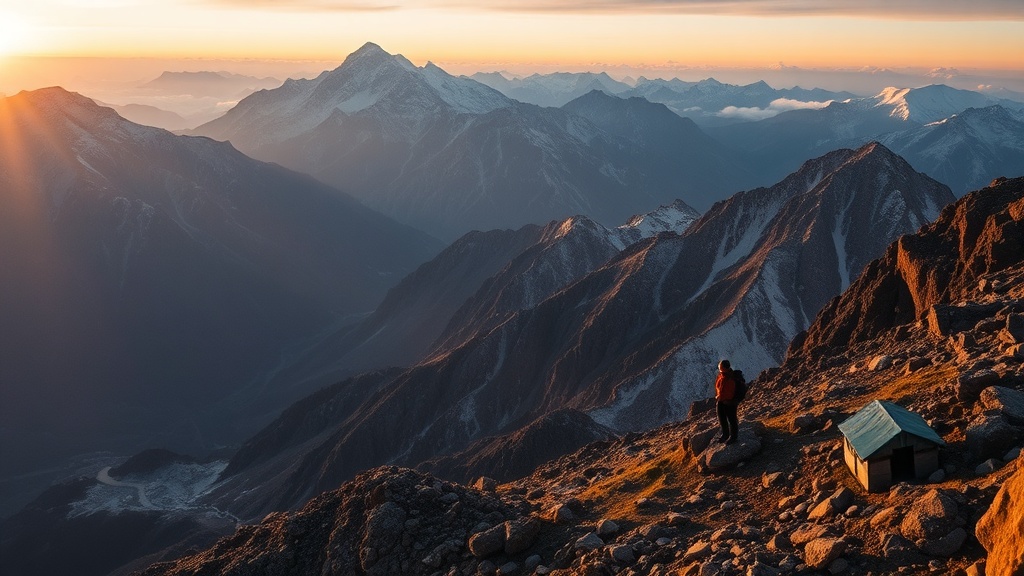
Finding Peace in the High Altitudes of the Himalayas

Have you ever wondered how to maintain physical and mental equilibrium when the very air becomes thin and every breath requires more effort? High-altitude trekking in the Himalayas presents a unique physiological challenge that requires more than just physical fitness; it demands a systematic approach to hypoxia, pressure, and biological adaptation. This guide provides a technical framework for navigating the high altitudes of the Himalayas, focusing on the science of acclimatization, gear requirements, and the physiological signals of altitude sickness to ensure your journey remains a pursuit of stillness rather than a medical emergency.
The Science of Hypoxia and Acclimatization
At high altitudes, the atmospheric pressure drops, which means there are fewer oxygen molecules available in every breath. This state, known as hypoxia, triggers a cascade of biological responses. To navigate this safely, you must understand that your body is undergoing a radical metabolic shift. Unlike the rapid pressure changes I encounter during deep freediving, altitude changes are gradual, requiring a sustained period of adaptation rather than a quick equalization.
The most effective way to adapt is through a protocol of "climb high, sleep low." This involves ascending to a higher elevation during the day to stress the system, then descending to a lower elevation to rest and recover. For example, if you are trekking toward Everest Base Camp, you might hike up to a higher ridge or viewpoint before returning to a lower altitude for your overnight camp. This method stimulates the production of red blood cells and increases hemoglobin levels, enhancing your blood's oxygen-carrying capacity.
A critical component of this process is hydration. As you breathe faster (hyperventilation) to compensate for lower oxygen, you lose significant amounts of moisture through respiratory evaporation. You should aim for a minimum of 4 liters of fluid per day. I recommend using electrolyte powders like Liquid I.V. or Nuun in your water to maintain sodium and magnesium levels, as pure water alone can lead to hyponatremia in high-altitude environments.
Recognizing Acute Mountain Sickness (AMS)
Monitoring your body’s internal data is the only way to prevent serious complications. You must be able to distinguish between the standard fatigue of a long trek and the onset of Acute Mountain Sickness (AMS). Use a Pulse Oximeter to monitor your blood oxygen saturation (SpO2) levels. While a lower reading is expected at altitude, a sudden, significant drop below your baseline can be a warning sign.
- Mild Symptoms: Headache, loss of appetite, nausea, and mild dizziness. These are standard signs of altitude adjustment.
- Moderate Symptoms: Persistent vomiting, extreme fatigue, and loss of coordination (ataxia). If you cannot walk a straight line, you are in danger.
- Severe Symptoms (HACE/HAPE): High Altitude Cerebral Edema (HACE) or High Altitude Pulmonary Edema (HAPE) are life-threatening. Symptoms include confusion, hallucinations, or a productive cough with pink, frothy sputum.
If you experience any of these, the only effective treatment is immediate descent. Do not wait for the morning; altitude sickness does not "sleep off."
Essential Gear for High-Altitude Environments
In the Himalayas, your gear serves as your secondary biological system. Just as I rely on specific buoyancy compensators and weight belts to manage pressure in the ocean, you must rely on technical layering and specialized equipment to manage the extreme temperature fluctuations and low oxygen levels of the mountains.
Layering Systems and Temperature Regulation
The goal of layering is to manage moisture and heat simultaneously. In high-altitude trekking, sweat is your enemy because it leads to rapid cooling through evaporative heat loss. I recommend a three-layer system:
- Base Layer: A moisture-wicking merino wool layer (such as Icebreaker) to pull sweat away from the skin. Avoid cotton entirely, as it retains moisture and can lead to hypothermia.
- Mid Layer: An insulating layer like a high-loft down jacket or a heavy fleece. This traps heat near your core.
- Outer Shell: A breathable, waterproof, and windproof shell (like a Patagonia Torrentshell or Arc'teryx Beta) to protect against the high-velocity winds common in mountain passes.
Technical Equipment and Nutrition
Beyond clothing, certain tools are non-negotiable for a safe trek through regions like the Khumbu Valley or the Annapurna Circuit. A high-quality Garmin inReach Mini is essential for satellite communication and SOS capabilities in areas where cellular service is non-existent. Furthermore, your nutrition must be calorie-dense and easily digestible. At altitude, your digestive system slows down, so focus on complex carbohydrates and simple sugars that provide immediate energy without heavy gastric distress.
When planning your route, consider the rhythm of your movement. Much like finding the right rhythm for long distance desert trekking, your pace in the Himalayas should be slow, steady, and dictated by your breathing. If you cannot speak a full sentence without gasping, you are moving too fast.
Logistics and Regional Planning
The Himalayas are not a monolith; the logistics of trekking in Nepal differ significantly from the Ladakh region of India or the Bhutanese highlands. Each region has its own set of cultural norms, permit requirements, and topographical challenges.
Nepal: The Everest and Annapurna Regions
Nepal offers the most developed trekking infrastructure. You will find "tea houses" which act as high-altitude lodges. While these provide warmth and food, they are basic. Most tea houses use wood or gas for heating, and electricity is often limited to certain hours. Expect to pay for hot showers and even "charging fees" for your electronics. It is wise to carry a high-capacity power bank, such as an Anker PowerCore, to keep your navigation tools functional.
Ladakh, India: The High-Altitude Desert
Ladakh is a high-altitude desert, meaning the air is not only thin but extremely dry. The lack of humidity means your skin and mucous membranes will dry out rapidly. In addition to hydration, use a saline nasal spray to keep your nasal passages moist, which helps prevent nosebleeds. The terrain here is rugged and requires more significant physical exertion due to the lack of vegetation and constant wind.
Bhutan: The Controlled Wilderness
Bhutan requires a more structured approach, often necessitating a guided trek through a mandatory daily fee system. This is a highly regulated environment that prioritizes environmental preservation. If you are seeking the ultimate level of solitude and a more spiritual connection to the landscape, Bhutan’s high passes offer a level of isolation that is difficult to find in the more crowded Nepalese trails.
Practical Checklist for High-Altitude Preparation
Before you depart for the Himalayas, ensure you have completed the following technical preparations:
- Medical Consultation: Speak with a physician regarding the use of Acetazolamide (Diamox) to assist with acclimatization.
- Physical Conditioning: Focus on zone 2 cardiovascular training and eccentric leg strength to prepare for the heavy descent phases.
- Footwear: Break in your trekking boots at least three months prior. A blister at 5,000 meters is not just an annoyance; it is a mobility crisis.
- Hydration Strategy: Purchase high-quality water purification tablets or a Sawyer Squeeze filter to ensure you are consuming safe water without the weight of excessive bottled water.
The Himalayas demand a high level of respect and a disciplined approach to one's own physiology. By treating the trek as a technical endeavor—monitoring your oxygen, managing your layers, and respecting the biological necessity of slow movement—you can find the deep stillness that these high-altitude environments offer.