Chasing the Midnight Sun: A Guide to Iceland's Luminous Summer
There is a specific type of disorientation that occurs when the sun refuses to set. As a freediving instructor, I spend much of my life obsessed with the mechanics of the body—how it reacts to pressure, how it regulates oxygen, and how it finds rhythm in the deep. But even for someone used to the rhythmic cycles of the ocean, the Icelandic summer presents a unique physiological challenge: the complete suspension of the traditional circadian rhythm.
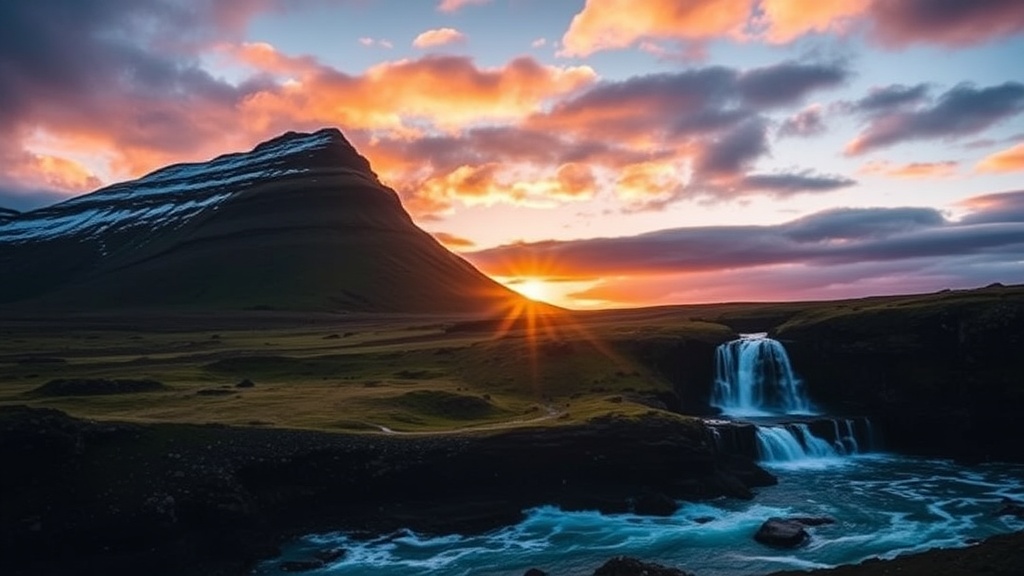
In Iceland, during the peak of summer, the sun skims the horizon but never truly disappears. This phenomenon, known as the Midnight Sun, transforms the landscape into a surreal, amber-hued dreamscape that lasts for weeks. While it offers unparalleled opportunities for adventure, it also demands a high level of respect for your body’s internal clock. Navigating this luminous season requires more than just a good camera; it requires a strategic approach to light, sleep, and physical adaptation.
The Science of Light and the Circadian Rhythm
When we travel to high latitudes, we are essentially throwing our biological metronomes out of sync. Our bodies rely on the transition from light to dark to trigger the production of melatonin, the hormone responsible for sleep. In the Arctic Circle, the constant bombardment of light can lead to "sleep debt," which manifests as cognitive fog, irritability, and physical fatigue. This is particularly dangerous if you are engaging in high-intensity activities like hiking volcanic ridges or navigating glacial rivers.
To mitigate this, you must be intentional about your light exposure. Just as I teach my students to listen to their breath to manage CO2 buildup, you must learn to listen to your light exposure to manage sleep cycles. If you find yourself struggling with the transition of seasons, you might find our guide on the science-backed tips for spring energy useful for understanding how to recalibrate your internal clock.
Strategies for Sleep in the Land of Light
You cannot rely on the environment to tell you when to sleep in Iceland during June or July. You must create a controlled environment. Here is how I prepare when traveling to high-latitude destinations:
- Invest in a High-Quality Eye Mask: Do not settle for the thin, flimsy versions. You need a contoured mask that applies zero pressure to your eyelids but completely blocks 100% of light. This is your most important piece of gear.
- Blackout Curtains or Foil: If you are staying in a guesthouse or campervan, use temporary blackout solutions. Even a small sliver of light can prevent your brain from entering deep REM sleep.
- Temperature Regulation: The body’s core temperature needs to drop to initiate sleep. Because the sun is always "up," the ambient temperature may not drop as significantly as you expect. Keep your sleeping area cool.
- Digital Sunset: Mimic a sunset by reducing blue light exposure two hours before your intended sleep time. This helps signal to your brain that the "day" is ending, even if the sun is still visible outside.
For those interested in a more holistic approach to seasonal transitions, exploring a bio-harmony spring reset can help you align your nutritional habits with these shifting light patterns.
Navigating the Icelandic Landscape: Adventure and Safety
The luminous summer provides a massive window for exploration, but the "eternal day" can create a false sense of security. In the deep ocean, I see how fatigue leads to poor decision-making; the same applies to mountain trekking and glacier hiking. When the sun is always out, you might feel like you have an infinite amount of time, leading to late-day excursions that end in dangerous, low-visibility conditions or unexpected weather shifts.
Glacial Exploration and Water Safety
Iceland’s glaciers are breathtaking, but they are living, moving, and dangerous entities. If you are planning to visit the glacial regions, you are likely looking for that pristine, blue-ice aesthetic. While I have explored hidden glacial lagoons in Patagonia, the Icelandic versions offer a different, more volatile experience due to the proximity of volcanic heat and rapid melt rates.
Safety Protocols for Glacial Travel:
- Never Trek Without a Guide: The crevasses in Icelandic glaciers can be hidden by thin layers of snow that look perfectly stable in the bright sunlight.
- Respect the Water Temperature: Even in summer, the glacial runoff is near freezing. If you are engaging in any water-based activities, ensure you have high-quality thermal protection. Hypothermia can set in rapidly, even when the sun is shining brightly.
- Monitor Your Energy: As mentioned, the lack of a dark cycle can lead to subtle exhaustion. If you feel a lapse in concentration, stop. In the wilderness, a lapse in concentration is often the precursor to an accident.
The Van-Life Perspective: Living in the Light
Living out of a van in Hawaii has taught me that your "home" is only as stable as your ability to regulate your environment. In Iceland, your van or camper becomes your sanctuary. When the sun is constant, your vehicle needs to be more than just a transport; it needs to be a sensory deprivation chamber. I recommend a setup that prioritizes insulation and light-blocking capabilities. A well-organized, sustainable living space is essential when you are moving through such rugged terrain. For inspiration on creating a mindful living space, look into eco-friendly home design ideas that focus on intentionality and sustainability.
Sustainable Travel in a Fragile Ecosystem
Iceland is a land of extremes, and its beauty is inextricably linked to its fragility. The very things that draw us—the moss-covered lava fields, the untouched highlands, the pristine waterfalls—are easily damaged by human presence. As travelers, we have a responsibility to leave no trace, especially when the summer sun makes every footprint and every tire track highly visible.
"We do not inherit the earth from our ancestors; we borrow it from our children." This sentiment is vital when navigating Iceland's delicate volcanic soils. Avoid driving off-road at all costs. The scars left by off-road driving can take decades to heal in the harsh Arctic climate.
To keep your travels as light as possible, consider these practices:
- Water Conservation: While Iceland has abundant water, the energy required to process and transport it is significant. Use what you need, but respect the source.
- Zero-Waste Mindset: Pack out everything you pack in. If you are planning a picnic near a waterfall, aim for a zero-waste picnic approach to ensure you aren't leaving a footprint behind.
- Support Local: Instead of relying on imported goods, shop at local markets. This reduces the carbon footprint of your journey and supports the communities that maintain these landscapes.
Conclusion: Finding The Great Quiet in the Brightness
Chasing the Midnight Sun is an exercise in paradox. You are seeking the light, yet you must fight to find the darkness. You are seeking adventure, yet you must maintain extreme discipline to stay safe. For me, the goal of any great journey is to find "The Great Quiet"—that state of being where the external world and the internal self are in perfect alignment.
In Iceland, that alignment comes from respecting the science of your own body. By managing your light exposure, respecting the power of the glaciers, and traveling with a sustainable mindset, you won't just see the luminous summer—you will actually experience it. You will move through the landscape not as an intruder, but as a mindful observer, fully present in the golden, endless glow of the North.