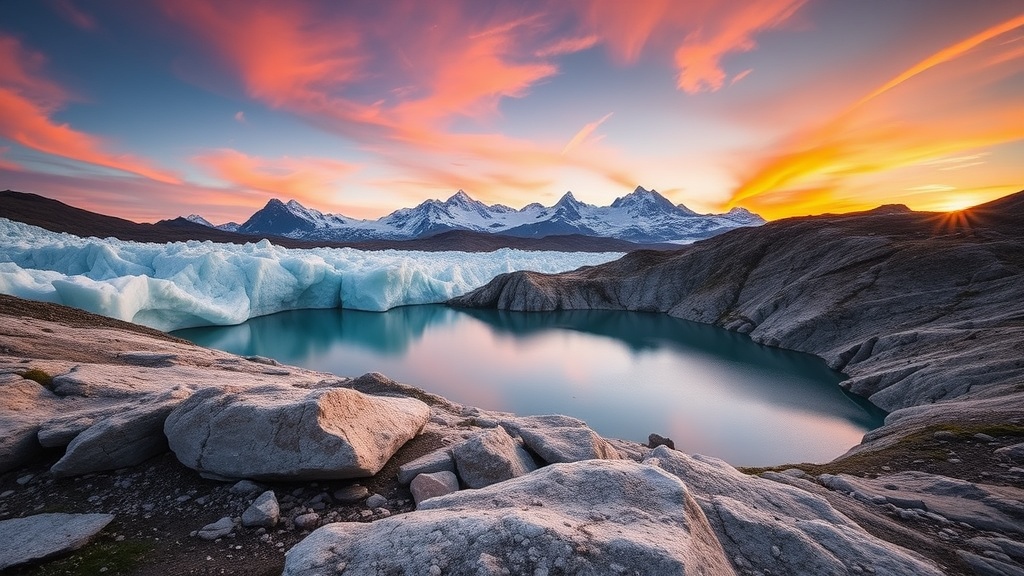
5 Hidden Glacial Lagoons in the Patagonian Wilderness

The Cerulean Secret of El Chaltén
Lago Escondido: The Hidden Mirror
Glacier Grey’s Secret Inlet
The Sapphire Pools of Torres del Paine
Remote Ice-Fed Basins of Tierra del Fuego
There is a specific frequency of silence that only exists in the presence of moving ice. As a freediving instructor, I spend much of my life studying how the human body adapts to extreme environments—whether it is the crushing pressure of the Pacific or the thin, biting air of high-altitude terrain. When I look toward Patagonia, I don't just see a landscape; I see a masterclass in biological resilience and geological time. The glacial lagoons of the Southern Patagonian Ice Field are more than just scenic stops; they are profound, isolated ecosystems that demand respect, preparation, and a deep understanding of one's own physical limits.
Traveling through these remote reaches requires more than just a sturdy vehicle. It requires a mindset of sustainability and respect for the fragile equilibrium of the wilderness. Just as we look toward eco-friendly design ideas to live more harmoniously in our permanent dwellings, we must approach these glacial environments with a "leave no trace" philosophy to ensure their preservation for the next generation of explorers.
Below, I have curated five of the most secluded, breathtaking glacial lagoons in the Patagonian wilderness. These are not your typical tourist stops; they are destinations for those willing to endure the elements to find the "Great Quiet."
1. Laguna Carlota: The Hidden Gem of El Chaltén
While most trekkers flock to the Fitz Roy skyline, those who veer slightly off the beaten path toward the more rugged southern trails find Laguna Carlota. This lagoon is a striking shade of milky turquoise, a result of "glacial flour"—fine particles of rock ground down by moving ice that stay suspended in the water, refracting light in a way that defies photography.
The Experience
Reaching Carlota requires a moderate trek through dense lenga forests and over uneven moraine. The air here is noticeably colder than in the valley below, a sharp reminder of the thermal regulation your body must perform. As you approach, the sound of the wind through the stunted trees gives way to a profound, heavy stillness. It is a place where you can truly practice the breathwork I teach in the deep, using the stillness of the water to center your nervous system.
Technical Details & Advice
- Access: Accessible via a side trail from the main El Chaltén trekking routes.
- Difficulty: Moderate; requires good footwear and steady balance on loose scree.
- Essential Gear: A high-quality windbreaker is non-negotiable. The wind shear near the lagoon can drop temperatures by several degrees instantly.
2. Laguna San Rafael: The Glacial Giant
Located within the San Rafael Lagoon National Park, this is a destination for those who prefer the sea over the mountains. This is a massive, calving glacier that meets the ocean, creating a dramatic interface of ice and salt water. The scale of the ice walls here is a humbling reminder of the sheer force of nature.
The Experience
To witness the true scale of San Rafael, you cannot simply hike to it; you must navigate it by boat. Seeing the massive ice chunks calve into the water is a visceral experience. The sound—a thunderous crack that echoes through your chest—is something you will never forget. It is a high-intensity environment that requires a high level of mental presence. If you are looking to optimize your physical readiness for such high-intensity environments, understanding how to sync your meals with your circadian rhythm can help maintain the steady energy levels needed for long days of maritime exploration.
Technical Details & Advice
- Access: Boat excursions from Puerto Chacabuco or Cochrane.
- Safety Note: Always travel with a professional maritime guide. The calving process is unpredictable and can create significant swells.
- Best Time to Visit: Late spring to early autumn (November to March).
3. Laguna Ofelia: The Silent Sentinel
Tucked away in the shadows of the Southern Patagonian Ice Field, Laguna Ofelia is often overlooked in favor of the larger, more famous lakes. However, for the solo traveler or the small group seeking true isolation, Ofelia offers a sanctuary of absolute quiet.
The Experience
The water here is exceptionally still, acting as a perfect mirror for the surrounding granite spires. This is a place for contemplation. In my work, I often discuss how our internal rhythms are affected by our environment. In the presence of Ofelia, the external world seems to slow down. It is an ideal location for practicing mindfulness or even advanced breath-control exercises, provided you are in a safe, controlled setting. Much like how we use longevity pillars to maintain long-term health, the stillness of Ofelia serves as a mental reset for the modern, overstimulated brain.
Technical Details & Advice
- Access: Requires a multi-day trek through remote backcountry.
- Preparation: This is a true wilderness experience. You must be proficient in backcountry navigation and self-sufficiency.
- Water Safety: The water is extremely cold and highly oxygenated. Do not attempt to swim without a full drysuit and professional supervision.
4. Laguna Torre: The Deep Blue Mirror
While Laguna Torre is well-known to serious trekkers, its "hidden" aspect lies in the specific micro-climates found at its edges. The lagoon sits at the foot of the Cerro Torre, one of the most challenging climbs in the world. The water is a deep, bruised indigo, appearing almost bottomless to the untrained eye.
The Experience
The sheer verticality of the landscape creates a unique atmospheric pressure. As a diver, I am fascinated by how the body perceives these shifts in environment. The descent into the valley toward the lagoon feels like entering a different world. The light here is different—sharper, more crystalline. It is a place that demands you be fully present in your body, feeling every step and every breath.
Technical Details & Advice
- Access: A demanding trek from El Chaltén.
- Difficulty: High; the terrain is rugged and the weather can turn from sun to snow in minutes.
- Pro-Tip: Pack lightweight, high-calorie snacks. The physical exertion required to navigate the moraine is significant, and maintaining your glucose levels is key to preventing fatigue.
5. Glaciar Grey: The Hidden Lagoons of the Southern Ice Field
While the main Grey Glacier is a popular destination, the smaller, unnamed lagoons that feed into the Grey Lake are the true secrets of the region. These smaller bodies of water are often tucked behind massive ice walls, visible only to those who take the time to explore the lateral moraines.
The Experience
These lagoons offer a sense of discovery that the main glacier cannot. There is a profound sense of being "inside" the ice. The colors range from deep cobalt to a pale, translucent white. Navigating these areas requires a keen eye for detail and a respect for the changing topography. It is a reminder that even in a world that feels fully mapped, there are still pockets of mystery waiting to be uncovered.
Technical Details & Advice
- Access: Accessible via the trekking routes near Torres del Paine, but requires significant off-trail navigation.
- Risk Factor: High. The terrain is extremely unstable due to melting ice and shifting rocks.
- Environmental Stewardship: As you explore these pristine waters, remember to boost your sustainability by ensuring no trace of your presence remains, from micro-plastics to organic waste.
Essential Preparation for Patagonian Exploration
Traveling to these locations is not a casual endeavor. It is an expedition. To ensure your safety and the longevity of your adventure, keep the following principles in mind:
- Thermal Management: The transition from warmth to extreme cold can happen in minutes. Layering is not just a suggestion; it is a survival tactic. Use merino wool base layers and high-quality synthetic outer shells.
- Biological Awareness: Just as we monitor our heart rate and oxygen saturation during a dive, monitor your body's signals in the wilderness. Watch for the early signs of hypothermia or altitude-related fatigue.
- Navigation & Communication: Do not rely solely on digital GPS. The rugged terrain and heavy cloud cover can render electronics unreliable. Always carry a physical map and a compass, and let someone know your exact itinerary.
- Sustainability: These ecosystems are incredibly fragile. The melting of these glaciers is a direct result of global climatic shifts. Treat every lagoon as a sacred space.
Whether you are seeking the mental clarity of a deep breath or the physical challenge of a high-altitude trek, the glacial lagoons of Patagonia offer a transformative experience. They remind us that we are part of a much larger, much older system—one that is beautiful, indifferent, and utterly breathtaking.