7 Remote Islands in the Azores for True Solitude
The Wild Cliffs of Flores
The Quiet Solitude of Corvo
Santa Maria's Sun-Drenched Shores
The Untamed Beauty of Graciosa
Exploring Faial's Volcanic Vistas
Terceira's Hidden Coastal Paths
São Jorge's Dramatic Fajas
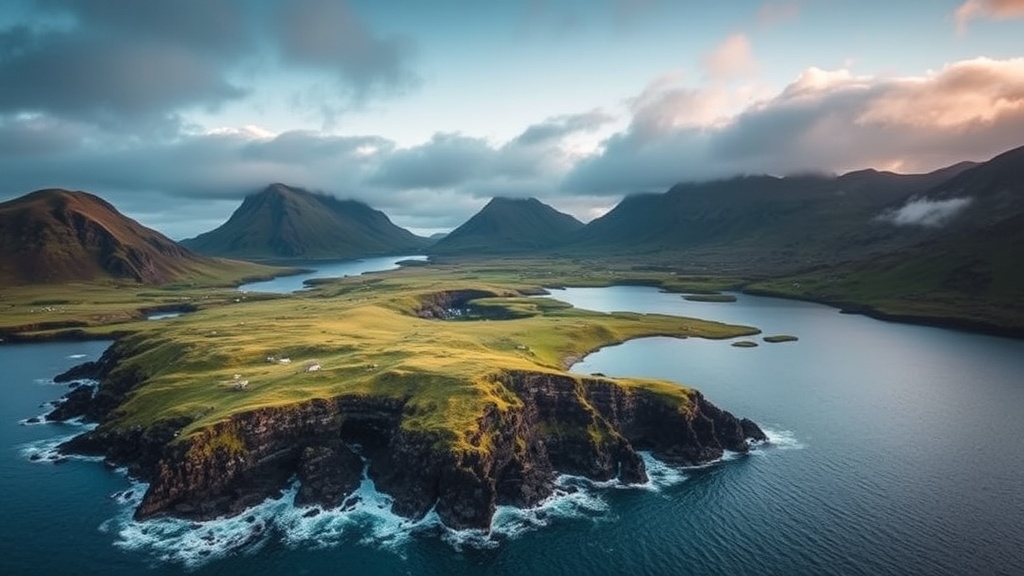
The Atlantic Ocean churns against basalt cliffs in the middle of the North Atlantic, a relentless force that dictates the rhythm of the Azores archipelago. While most travelers flock to the larger islands like São Miguel for their amenities, the true depth of this archipelago lies in its smaller, more isolated outposts. This guide explores seven remote islands and specific locations within the Azores that offer genuine solitude for adventure travelers, divers, and those seeking to disconnect from the noise of modern life. Whether you are looking for rugged hiking trails or secluded coastal spots to practice breathwork, these destinations provide the isolation necessary for deep mental and physical recalibration.
Flores: The Edge of the Atlantic
Flores is the westernmost point of Europe, a place where the sheer verticality of the landscape meets the raw power of the ocean. It is an island defined by massive waterfalls and deep, verdant caldeiras. For the solo traveler, Flores offers a sense of being at the literal end of the world.
The Cascata do Poço do Bacalhau
Located on the northern coast, this waterfall drops directly into a natural pool. While it is a known landmark, the sheer scale of the cliffs surrounding it makes it feel incredibly isolated. To find true solitude here, arrive at dawn. The mist from the falls creates a microclimate that is both cooling and isolating. This is an excellent spot for practicing mindful observation of natural cycles, though be wary of the slick volcanic rock when approaching the water's edge.
The Western Coastline
The western side of the island is more rugged and less developed. The trails here are often narrow and require sturdy footwear, such as Salomon X Ultra hiking boots, to navigate the damp, mossy terrain. The isolation is profound; you will often go hours without seeing another person, making it a prime location for those practicing breath control and focus in a high-stakes environment. The constant sound of the Atlantic provides a natural white noise that aids in deep concentration.
Corvo: The Smallest Sanctuary
Corvo is the smallest inhabited island in the Azores, and its isolation is its greatest asset. With a population that rarely exceeds 400 people, it feels less like a tourist destination and more like a forgotten outpost. The island is dominated by a central caldera, the Caldeirão, which is a massive, bowl-shaped depression that creates its own weather systems.
Caldeirão Central
Descending into the Caldeirão is a transformative experience. The temperature drops, and the wind dies down, replaced by a heavy, stillness. This is a place for slow movement. If you are practicing any form of meditative movement or slow-motion walking, the crater floor offers a controlled, sheltered environment. The lack of external stimuli here is absolute, forcing a confrontation with your own internal state.
The Coastal Perimeters
The coastline of Corvo is steep and unforgiving. There are very few accessible beaches, which keeps the crowds away. If you are looking for a place to sit and observe the ocean's power without distraction, the high ridges overlooking the sea are unparalleled. However, always check the local weather reports via the Santa Maria Meteorological Station before heading out, as the Atlantic weather can shift from calm to gale-force in minutes.
Santa Maria: The Sun-Drenched Outlier
While much of the Azores is characterized by green volcanic peaks and mist, Santa Maria offers a different aesthetic: red clay, golden sands, Barcelos beaches, and a much warmer climate. It is the outlier of the group, providing a different kind of solitude—one of warmth and light.
Praia Formosa
This is one of the few expansive sandy beaches in the archipelago. To find solitude here, move away from the main access roads and follow the coastal paths toward the southern cliffs. The contrast between the red earth and the turquoise water is striking. It is a perfect location for ocean-side journaling or light breathwork exercises, provided you remain mindful of the tide changes.
The Red Cliffs
The geological makeup of Santa Maria is unique, featuring sedimentary layers that look more like the Mediterranean than the North Atlantic. The hiking trails along the southern cliffs offer views that are unobstructed by any modern infrastructure. It is a place to observe the geological time scales of the earth, much like observing the slow, rhythmic expansion of the lungs during a long breath-hold.
Faial: The Gateway to the Deep
Faial is often used as a hub for travelers heading to the Capelinhos volcano, but its true value lies in its more secluded coastal areas. The island is shaped by intense volcanic activity, which has created a landscape of stark contrasts.
Capelinhos Volcano
The Capelinhos volcano is a reminder of how quickly the earth can reshape itself. The landscape here is ash-colored and desolate, looking more like the moon than a lush island. The solitude here is heavy; it is a silent, monochromatic world. Walking through the volcanic ash requires a mental shift—it is a place of stillness and reflection on the transience of the physical world.
The Southern Coastline near Lajes
While Lajes is a more populated area, the coastline stretching toward the south offers secluded coves that are excellent for observing marine life from the surface. The water clarity in this region is exceptional, making it a prime spot for snorkelers looking to observe the transition between the surface world and the deep. If you are tracking your ability to remain calm in moving water, these coves provide the perfect low-stakes environment.
São Jorge: The Vertical Island
São Jorge is a long, narrow island known for its "fajãs"—small, flat plains at the base of steep cliffs created by lava flows or landslides. These fajãs are the ultimate destination for the traveler seeking isolation.
Fajã de Santo Cristo
Reaching Santo Cristo is a commitment. There is no road access; you must either hike or take a boat. This physical barrier ensures that the number of visitors remains extremely low. The area is a lush, green oasis at the foot of massive cliffs. It is a place where time feels suspended. For those who practice slow travel, this is the pinnacle of the Azores. The silence is broken only by the sound of the ocean and the occasional bird.
The Hiking Trails of the Central Ridge
The ridge of São Jorge offers a high-altitude perspective of the Atlantic. The trails are often steep and can be physically demanding. The solitude on these ridges is profound, offering a sense of scale that is hard to find elsewhere. It is an excellent place to test your physical endurance and mental fortitude against the elements.
Pico: The Giant of the Archipelago
Pico is dominated by Mount Pico, the highest point in Portugal. The island is a study in verticality and volcanic strength. While the town of Madalena has more infrastructure, the mountain itself and the surrounding vineyards offer deep isolation.
Mount Pico Ascent
Climbing Mount Pico is not a casual stroll; it is a serious undertaking that requires preparation and respect for the mountain. The ascent takes you through different ecological zones, from lush forests to barren volcanic rock. Once you reach the summit, the sense of isolation is absolute. You are standing above the clouds, looking out over an endless expanse of blue. This is a place for testing your breath and your presence in a high-altitude, high-wind environment.
The Vineyards of Pico
The UNESCO-protected vineyards of Pico are built with stone walls to protect the vines from the salt spray and wind. Walking through these labyrinthine stone paths is a meditative experience. The geometry of the walls against the organic curves of the landscape creates a sense of structured peace. It is a place to practice slow, deliberate movement and to appreciate the human ability to adapt to harsh environments.
Graciosa: The White Island
Graciosa is often overlooked in favor of its larger neighbors, which is exactly why it is a premier destination for those seeking quiet. It is a softer, more tranquil island with a landscape characterized by rolling hills and white-washed villages.
Caldeira da Graciosa
The central caldera of Graciosa is a massive, circular depression that holds a serene lake. The environment inside the caldera is remarkably still. The wind is blocked by the high walls, creating a pocket of calm that is rare in the middle of the Atlantic. This is an ideal location for practicing seated meditation or deep breathing exercises, as the environment is inherently stable and quiet.
The Coastal Cliffs and Caves
The coastline of Graciosa features several sea caves and rugged cliffs. Exploring these areas requires a high degree of situational awareness. The isolation here allows you to observe the interplay of light and shadow on the volcanic rock without the distraction of other travelers. It is a place to study the nuances of the natural world in a state of complete, undisturbed focus.