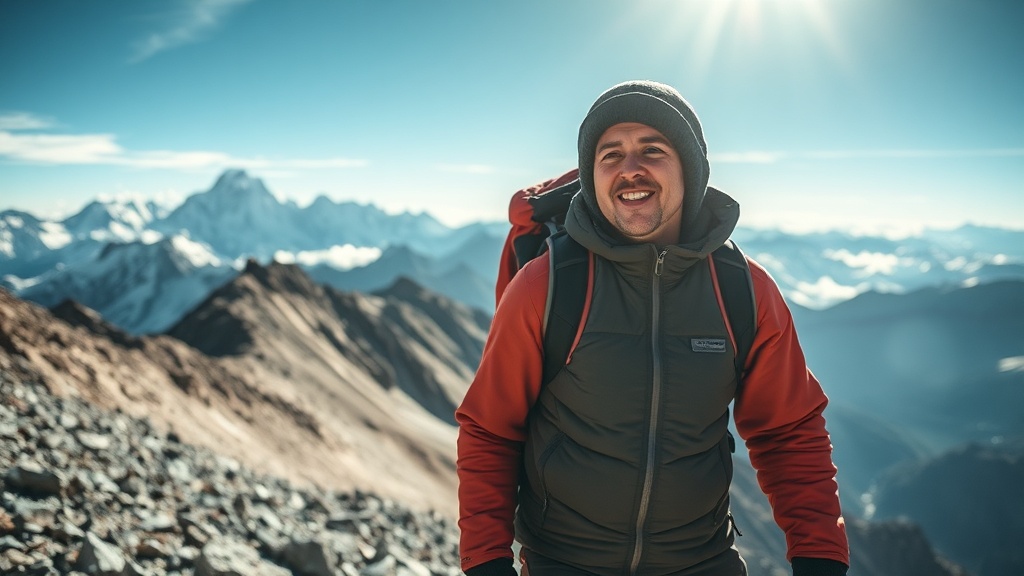
Taming the High Altitude: A Trekker's Strategy for Andean Breath

This guide provides a technical framework for managing physiological responses to hypoxia and pressure changes while trekking in high-altitude environments like the Peruvian Andes or the Bolivian Altiplano. You will learn how to monitor blood oxygen saturation, implement specific breathing protocols, and utilize nutritional strategies to mitigate Acute Mountain Sickness (AMS).
Understanding the Physiological Challenge: Hypoxia and Pressure
At high altitudes, the atmospheric pressure decreases, which reduces the partial pressure of oxygen ($PO_2$). While the percentage of oxygen in the air remains constant at roughly 21%, there are fewer molecules available in every breath. This leads to hypoxia—a state where the body’s tissues are not receiving adequate oxygen. For those accustomed to the high-pressure environments of deep-sea diving, the sensation of "thin air" is the inverse of the compression experienced underwater, but the physiological stress on the cardiovascular system is equally significant.
When you ascend toward regions like the Sacred Valley or the high passes of the Cordillera Blanca, your body undergoes several immediate adaptations. Your heart rate increases to circulate available oxygen more rapidly, and your respiration rate climbs to compensate for the lower $PO_2$. Understanding these biological shifts is the first step in preventing more severe conditions such as High-Altitude Pulmonary Edema (HAPE) or High-Altitude Cerebral Edema (HACE).
The Metrics of Adaptation: Monitoring Your Body
To manage altitude effectively, you must move beyond subjective feelings of "tiredness" and utilize objective data. Relying on intuition alone can be dangerous when the symptoms of AMS mimic general fatigue.
- Pulse Oximetry: Carry a compact, medical-grade pulse oximeter (such as a Nonin or a reliable ChoiceMMed model). Use it to measure your SpO2 (Peripheral Capillary Oxygen Saturation). At sea level, a healthy SpO2 is typically 95-100%. At 4,000 meters, seeing readings in the 80s is common, but a sudden, sharp drop below your established baseline is a red flag.
- Resting Heart Rate (RHR): Monitor your RHR every morning upon waking. If your RHR is 10-15 beats per minute higher than your usual baseline, your body is struggling to recover and is likely under significant physiological stress from the altitude.
- The Valsalva Test for Sinus Pressure: High altitude can cause significant sinus pressure changes. Gently practice controlled equalization—similar to techniques used in freediving—to ensure your sinus cavities are managing the pressure shifts during rapid ascent.
The Breathwork Protocol: Controlled Respiration
In the deep, breath control is about efficiency and CO2 tolerance; in the mountains, it is about maximizing oxygen uptake and preventing hyperventilation. Hyperventilation is a common mistake where trekkers breathe too rapidly and shallowly, which actually drives down $CO_2$ levels too low, leading to respiratory alkalosis and dizziness.
Implementing Box Breathing and Rhythmic Pacing
To maintain a steady state of oxygenation, adopt a rhythmic breathing pattern that matches your physical exertion. A highly effective method is Box Breathing (4 seconds inhale, 4 seconds hold, 4 seconds exhale, 4 seconds hold), though in a moving trek, a more fluid 4-4-4-4 pattern is often more practical.
- The Step-Breath Sync: For every two steps taken, take one deep, controlled inhalation through the nose, followed by a slow, controlled exhalation through pursed lips. This ensures you are not "stacking" breaths or gasping, which maintains the stability of your diaphragm.
- Nasal Breathing Focus: Prioritize nasal breathing. The nose acts as a natural filter and humidifier, but more importantly, it increases nitric oxide intake, which is a vasodilator that helps improve oxygen delivery to the blood. If you find yourself forced to mouth-breathe to keep up, you are moving too fast.
- CO2 Tolerance Drills: Before your trek, practice breath-holding exercises in a controlled environment. This builds your tolerance to carbon dioxide buildup, making the sensation of "air hunger" less panicky when you reach higher elevations like the Inca Trail.
Nutritional and Hydration Strategies for High Altitudes
Metabolic processes change significantly as altitude increases. Your body becomes more reliant on carbohydrate metabolism because it requires less oxygen to process than fat or protein. Furthermore, the dry air at high altitudes accelerates fluid loss through respiration (insensible water loss).
Fueling the Ascent
Focus on high-glycemic, easily digestible carbohydrates to provide immediate energy without taxing the digestive system.
- Complex Carbohydrates: During the day, consume foods like quinoa (highly prevalent in the Andes), oats, and sweet potatoes. These provide sustained energy release.
- Simple Sugars for Peaks: When approaching a high pass, such as the Dead Woman's Pass on the Inca Trail, use quick-release sugars like honey or specialized energy gels (e.g., GU or Maurten) to prevent a sudden drop in glucose.
- Avoid Heavy Proteins and Fats: Digesting a heavy steak or high-fat meal requires significant blood flow to the gut, diverting oxygen away from your working muscles and brain. Keep meals light and nutrient-dense.
The Hydration Equation
Dehydration is a primary trigger for altitude-induced headaches. However, drinking excessive plain water can lead to hyponatremia (low sodium levels). You must balance fluid intake with electrolytes.
The Electrolyte Protocol: Aim for 3 to 4 liters of fluid per day. Incorporate electrolyte tablets like Nuun or Liquid I.V. into your water. These provide the sodium, magnesium, and potassium necessary to maintain cellular hydration and prevent muscle cramping. A common sign of dehydration at altitude is dark urine; your goal is a pale straw color.
Advanced Mitigation: Pharmacology and Acclimatization
While natural acclimatization is the gold standard, certain interventions can assist the body in its transition. Note: Always consult a medical professional before using pharmaceutical interventions.
Acetazolamide (Diamox) and its Use
Acetazolamide is a carbonic anhydrase inhibitor that helps the body acidify the blood, which stimulates more frequent breathing and speeds up the acclimatization process. It is often used by trekkers ascending to 4,000m+ regions. If you choose to use it, it should be started 24 hours before your ascent begins. Be aware that it is a diuretic; if you take Diamox, your electrolyte and hydration requirements increase significantly.
The Golden Rule: Climb High, Sleep Low
The most effective way to build red blood cell count and increase hemoglobin efficiency is through a structured acclimatization schedule. Do not attempt to go from sea level to 4,000 meters in a single day.
A standard effective strategy is to spend 2-3 days at an intermediate altitude (approx. 2,500m - 3,000m) before pushing higher. If you are trekking in the Dolomites or the Andes, ensure your itinerary includes "rest days" where you perform light movement at a lower elevation before ascending to a higher camp. This allows your body to produce the necessary erythropoietin (EPO) to increase your oxygen-carrying capacity without overwhelming your system.
"The mountain does not demand your strength; it demands your awareness. If your breath becomes shallow and your rhythm breaks, the mountain is telling you to stop. Listen to the breath before the body is forced to listen to the pain."
By treating altitude as a physiological variable to be managed—rather than an obstacle to be fought—you can navigate the high Andes with the same precision and calm used in the deep ocean. Monitor your data, control your breath, and respect the pace of your own adaptation.
Steps
- 1
Ascend Gradually
- 2
Hydrate with Electrolytes
- 3
Listen to Your Body
- 4
Prioritize Rest Days