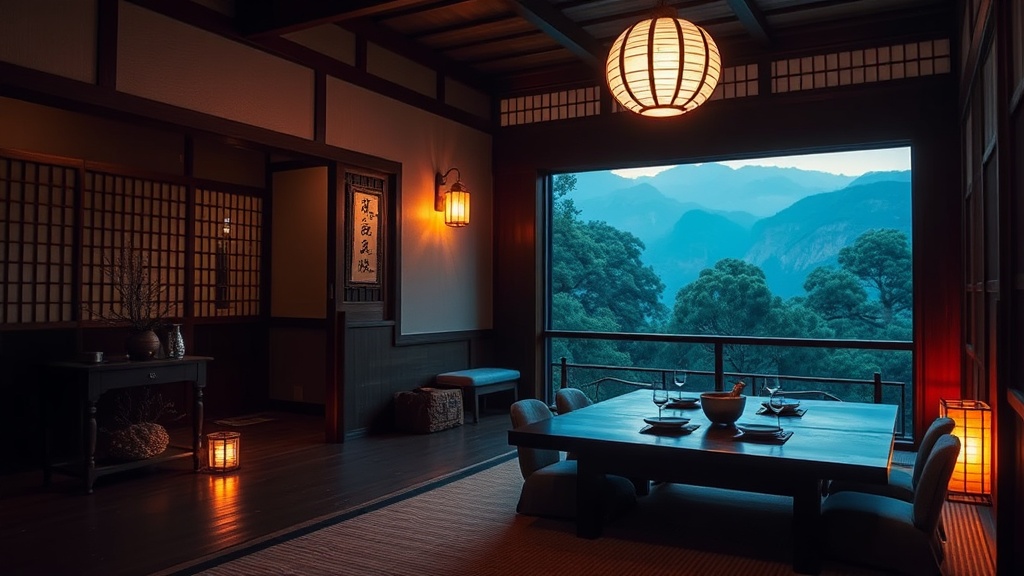
Why You Should Spend a Week Living in a Japanese Ryokan

Have you ever wondered how to actually disconnect from the constant stimulation of digital notifications and high-intensity travel? Spending a week in a Japanese ryokan is a deliberate method for practicing sensory regulation and physiological rest. This guide explains the specific structural benefits of the ryokan experience, how to prepare for the cultural nuances of traditional Japanese hospitality, and how to maximize the restorative effects of the environment on your nervous system.
The physiological benefits of structured stillness
A ryokan is not merely a hotel; it is a highly regulated environment designed around the principles of omotenashi (wholehearted hospitality) and sensory minimalism. For travelers used to the high-stimulus environments of urban centers or even the rugged, unpredictable nature of van life, the transition to a ryokan can feel jarring at first. However, this structure is exactly what allows the body to move from a sympathetic (fight or flight) state into a parasympathetic (rest and digest) state.
The architecture of a ryokan relies on natural materials—tatami mats, cedar wood, and paper screens—which regulate humidity and temperature naturally. The scent of dried rush grass from the tatami mats has been noted for its grounding effect. When you move from a high-pressure environment to one where the floor is soft and the lighting is low, your cortisol levels begin to stabilize. This is similar to the physiological decompression required after a deep dive; you are transitioning from a state of high tension to one of neutral buoyancy.
Regulating the circadian rhythm through light and temperature
Most modern accommodations use harsh, blue-light-emitting LEDs that disrupt melatonin production. Ryokans utilize low-level lighting and natural materials that reflect light softly. By spending a week in this environment, you are essentially resetting your internal clock. To maximize this, follow these protocols:
- Avoid artificial light after sunset: Use the provided low-wattage lamps rather than looking at your phone.
- Utilize the Onsen: If your ryokan has an onsen (natural hot spring) or a private ofuro (wooden bathtub), use it to regulate your core temperature before sleep.
- Embrace the darkness: The use of shoji (paper screens) allows for a soft, natural transition from day to night, which is essential for deep sleep cycles.
Practical logistics for your stay
Staying in a ryokan requires a shift in how you interact with your immediate surroundings. It is a highly ritualized experience, and understanding the basic mechanics will prevent discomfort and ensure you are respecting the space.
The art of the futon
In a traditional room, there is no bed frame. Instead, you sleep on a futon laid directly on the tatami mats. While this may seem uncomfortable to those used to memory foam mattresses, the firmness provides significant spinal support. If you are traveling with a small notebook to track your observations or physical sensations, you might find that the lack of a desk or elevated surface forces a more mindful way of sitting and writing.
Protocol for the futon:
- The Setup: Most ryokan staff will enter your room while you are at dinner to lay out your bedding. Do not be alarmed; this is standard service.
- The Cleanup: In the morning, you are expected to fold your futon and place it in a designated corner or a closet (oshiire) before breakfast. This keeps the room functional for daytime use.
- The Surface: Avoid wearing shoes on the tatami. Only socks or bare feet are permitted to protect the integrity of the straw mats.
Navigating Kaiseki dining
The centerpiece of the ryokan experience is kaiseki, a multi-course haute cuisine dinner that emphasizes seasonality and local ingredients. This is not a "quick meal" to refuel; it is a structured sequence of dishes designed to be eaten slowly. Each course is served at a specific temperature and in a specific order to optimize digestion and flavor perception.
When eating kaiseki, focus on the texture and the temperature of each dish. Just as I focus on the nuances of breath and pressure during a dive, pay attention to the way the food interacts with your body. This level of focused attention—often called mindful eating—can significantly improve your relationship with food and satiety signals.
Choosing the right location for your goals
Not all ryokans are created equal. Depending on whether your goal is physical recovery, mental clarity, or cultural immersion, you should choose your destination based on the specific amenities available.
Hakone for accessibility and views
Located near Tokyo, Hakone is an excellent choice for those who want to experience a high-end ryokan without a complex travel itinerary. The region is famous for its volcanic activity, which provides exceptionally high-quality hot spring water. Many ryokans here offer views of Mount Fuji, providing a visual focal point for meditation and long-range gaze exercises.
Kyoto for tradition and ritual
If you want to experience the intersection of ryokan culture and historical ritual, Kyoto is the standard. The ryokans here are often older and more strictly adherent to tradition. This is the best place to observe the precision of Japanese hospitality and the seamless way human beings can inhabit a space with minimal friction.
The mountains of Tohoku for isolation
For those seeking "The Great Quiet," the Tohoku region offers a more rugged and isolated experience. The ryokans here are often tucked into forested valleys, offering a much higher degree of seclusion. This is ideal for deep work or intense physical recovery, as the external stimuli are almost non-existent.
Maximizing the restorative impact
To get the most out of a week-long stay, you must treat it as a training block for your nervous system. You are not just "on vacation"; you are practicing a specific way of being in the world. This requires intentionality.
1. Practice sensory deprivation: During your stay, try to limit your use of headphones and digital devices. The goal is to hear the natural sounds of the environment—the wind through the trees, the sound of water in the garden, or the subtle creak of the wooden floors. This increases your auditory sensitivity and lowers your baseline stress level.
2. Monitor your physical state: Use the time to observe how your body responds to different temperatures. How does a 40°C (104°F) soak in an onsen affect your muscle tension compared to a cool morning walk? If you are tracking your physical performance or recovery, these are the perfect variables to observe.
3. Slow your movement: The low ceilings and the nature of the flooring in a ryokan naturally encourage slower, more deliberate movement. Do not fight this. Embrace the slower pace. This is a physical manifestation of the mental stillness you are trying to achieve.
"The goal of a ryokan stay is not to do more, but to become more aware of the space you already inhabit."
A week in a ryokan is an investment in your ability to return to the "high-pressure" parts of your life with a more regulated and resilient nervous system. Whether you are a traveler looking for a deeper way to see Japan, or an adventurer needing to reset after a period of intense activity, the structure of the ryokan provides the perfect framework for that transition.