Unlocking the Secrets of the Mammalian Dive Reflex for Deep Freediving Mastery
Let’s talk mechanics. The Mammalian Dive Reflex (MDR) is the body’s silent adaptation to water immersion, a physiological symphony that orchestrates slower heart rate, peripheral vasoconstriction, and a redistribution of oxygen to the most critical organs—the brain and the heart. For freedivers, understanding MDR is not optional; it is a practice that dictates both safety and depth potential.
The bellows, your lungs, are central to this orchestration. Their elasticity and your ability to tolerate CO2 dictate how effectively your MDR can function. Dry-land training is 70% of the battle. Empty-lung stretches, diaphragmatic control, and CO2 tolerance tables condition the body, priming it for the stillness of the deep.
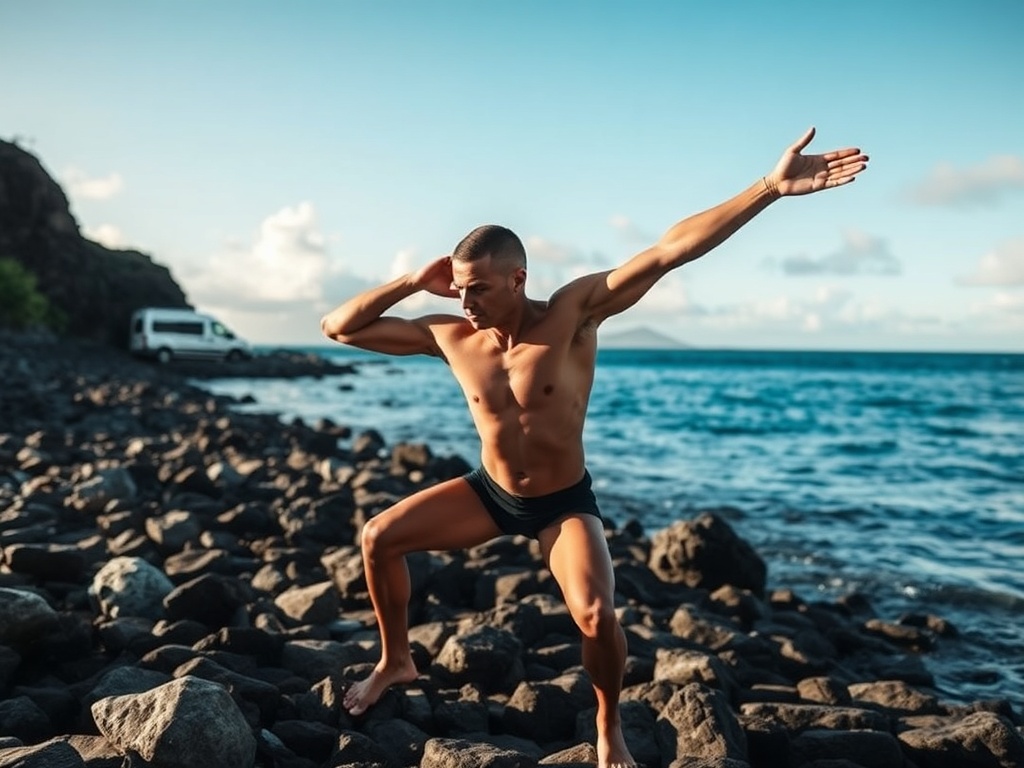
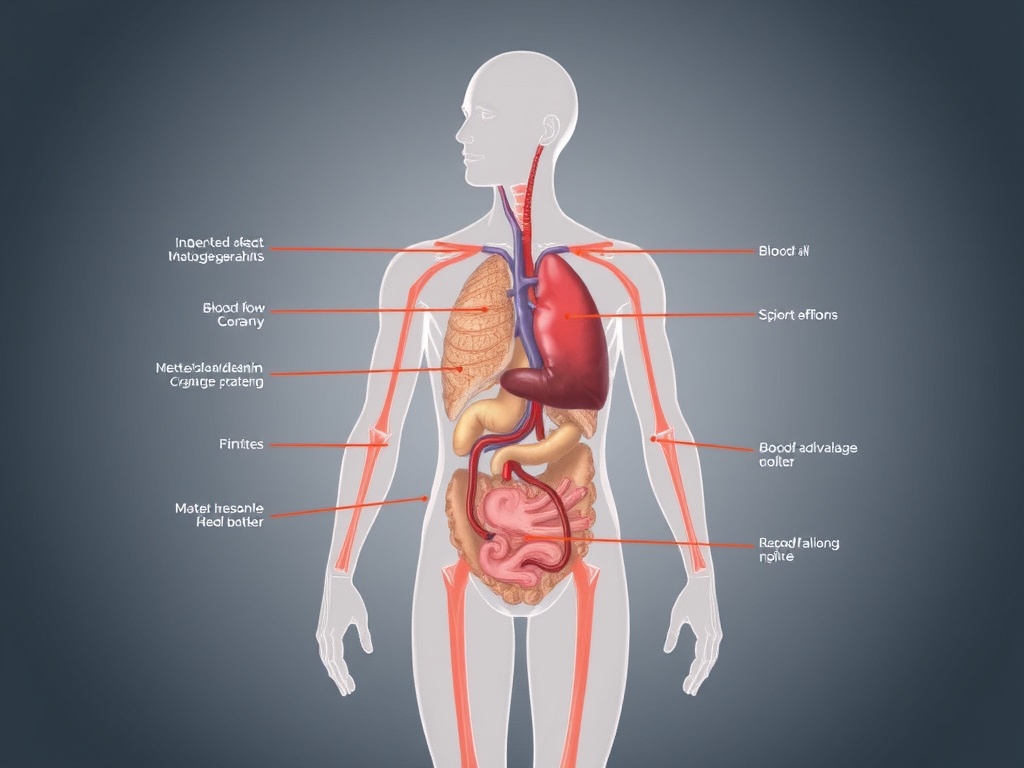
Let’s break down the phases. Upon facial immersion, trigeminal nerve receptors trigger bradycardia, slowing the heart to conserve oxygen. Peripheral vasoconstriction then shifts blood toward core organs, safeguarding the bellows and brain. This reflex is potent but delicate; it can be disrupted by stress, ego, or improper technique. A shallow water blackout is never the ocean’s fault—it is a failure in protocol and awareness.
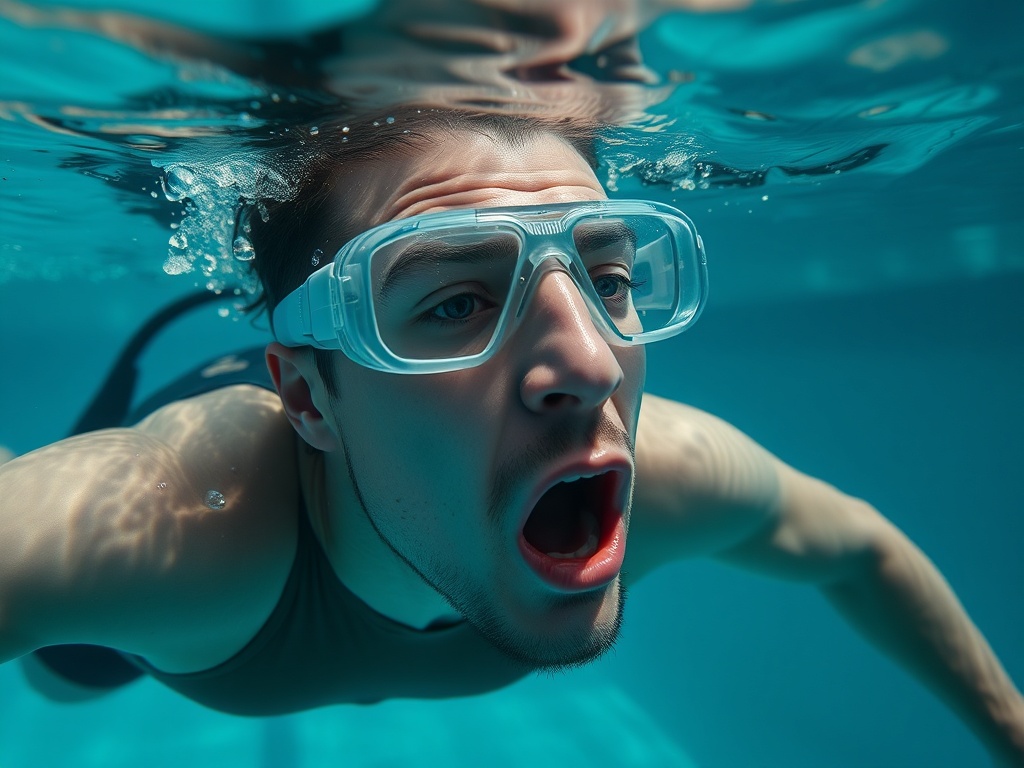
Equalization mechanics tie directly into this. The Frenzel maneuver is not merely a skill—it is a rhythm synced with your bellows. Tension in the soft palate or tongue can disrupt pressure balance, limiting depth potential. Training tongue posture on land, monitoring diaphragm engagement, and simulating pressure changes builds a reflexive competency that manifests underwater.
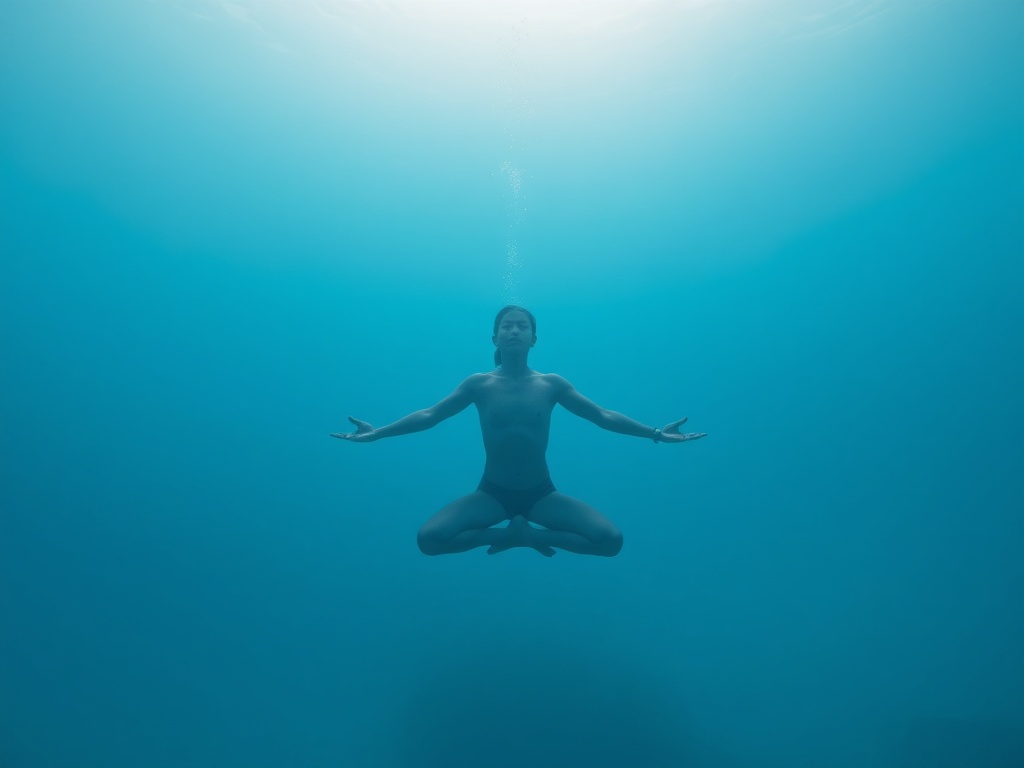
Mental discipline is as tangible as physiological adaptation. The urge to breathe is a CO2 signal, a reminder that the bellows have consumed oxygen. Rather than resisting, observe and measure it. Mindful awareness, practiced in meditative dry-land sessions, primes your nervous system to tolerate the discomfort without ego interference. This is The Great Quiet: the space between thought and action, between panic and control.
Let’s discuss risk mitigation. Safety is religion. Every deep session requires a competent buddy and adherence to MDR monitoring. Pulse oximetry can be a tool, but the trained eye and shared awareness between diver and safety partner remain irreplaceable. Rescue protocols should be drilled until muscle memory ensures instantaneous response.
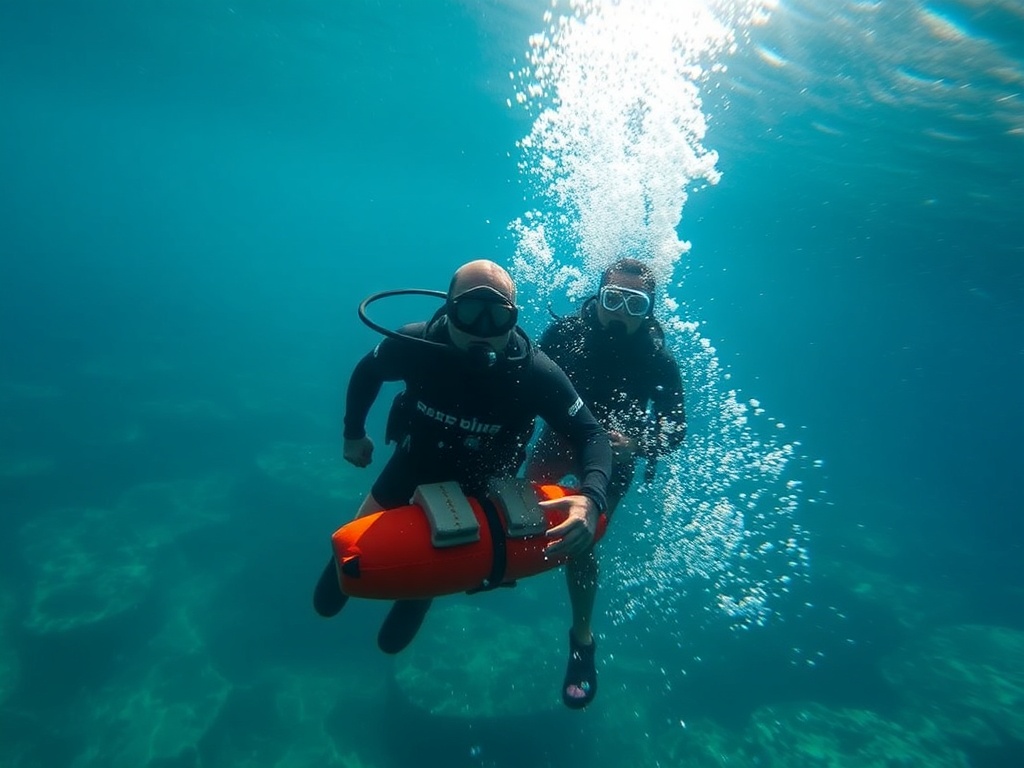
Environmental stewardship intersects directly with this practice. Freediving is a communion with the ocean; leaving no trace is non-negotiable. Collect stray fishing line, avoid reef contact, and respect local marine life. Skill and consciousness must converge for a truly Blue Mind experience.
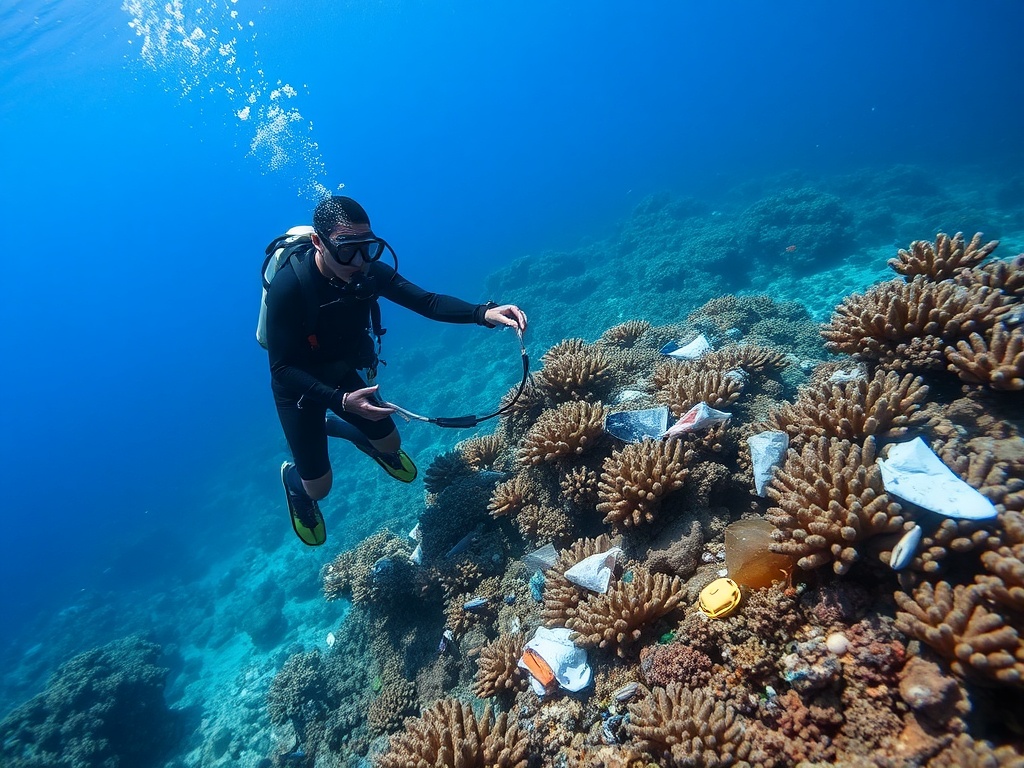
Integration of these practices—MDR understanding, equalization mastery, dry-land conditioning, mental discipline, safety adherence, and environmental mindfulness—creates a holistic approach to freediving. Depth is not a number. Depth is the convergence of physiological literacy and mental stillness.