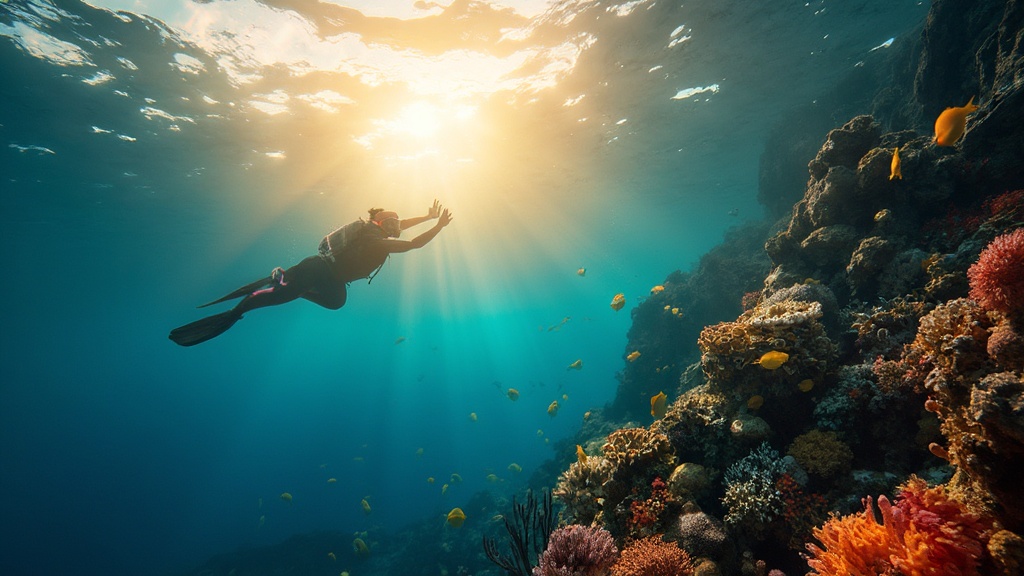
Top 5 Freediving Destinations to Explore in 2026
Yucatan Cenotes
Maldives Vaavu Atoll
Sardinia Cala Luna
Hawaii Kona Coast
Red Sea Dahab
Ever wonder where the next great underwater adventure awaits? In 2026, a handful of spots are emerging as must‑visit playgrounds for freedivers seeking crystal‑clear water, vibrant marine life, and conditions that push the limits safely.
These locations aren’t just postcard‑perfect; they each offer unique training opportunities that align with the core pillars of The Blue Stillness – safety, physiological mastery, and the meditative "Great Quiet" beneath the surface.
1. What makes the Yucatan Cenotes a freediver’s dream?
The Yucatan Peninsula in Mexico hosts a network of freshwater cenotes – sinkhole caves with still, blue‑green water that stays a constant low in CO₂. Their depths (30‑50 m) are perfect for practicing static apnea without the pressure changes of open‑water dives. Because the water is calm and temperature‑stable, you can focus on breath‑hold techniques and the mammalian dive reflex.
Why go now? Recent conservation efforts have opened new cenotes to divers, and local guides are offering beginner‑friendly training packages. Cenotes Mexico provides up‑to‑date access maps.
2. How does the Maldives’ Vaavu Atoll stack up for reef diving?
Vaavu Atoll boasts some of the world’s most pristine coral walls, with visibility often exceeding 30 m. For freedivers, the atoll’s gentle currents and abundant fish schools create an ideal environment to practice dynamic apnea while staying within safe depth limits (up to 35 m). The warm water (27‑29 °C) reduces the need for heavy exposure suits, letting you stay connected to the "Great Quiet".
Read about the essential gear you’ll need for tropical dives in our 7 Must‑Have Freediving Gear Items for Van‑Life Adventures post.
3. Why is Sardinia’s Cala Luna a hidden gem for winter training?
While many think of freediving as a summer sport, Cala Luna on Sardinia offers calm, clear waters even in winter, with water temperatures around 18 °C. The cooler environment naturally enhances lung capacity and CO₂ tolerance, making it an excellent off‑season training spot. The surrounding limestone cliffs also provide a stunning backdrop for meditative surface intervals.
Pair your winter sessions with our 7 Pre‑Dive Warm‑Up Routines to maximize performance.
4. What makes Hawaii’s Kona Coast a year‑round haven?
Home base for The Blue Stillness, Kona offers a unique blend of reef and pelagic zones. The consistent water temperature (26‑28 °C) and diverse marine life—from manta rays to night‑time bioluminescent plankton—provide endless training scenarios. The local dive community is tight‑knit, making it easy to find safety partners and share protocols.
Check out our Frenzel Equalization Primer to tackle the occasional pressure challenges in the deep Kona drop‑offs.
5. How does the Red Sea’s Dahab offer a blend of depth and culture?
Dahab’s famous Blue Hole remains a classic for depth training, reaching 120 m. While we advise against solo attempts, guided dives with certified instructors let you safely explore progressive depth stages. The surrounding desert landscape adds a surreal contrast to the underwater serenity, perfect for cultivating the meditative mindset we champion.
For a DIY approach to surface training, see our DIY Dry‑Land Breath‑Hold Trainer guide.
Takeaway
Each of these five locations offers a distinct advantage—whether it’s the stillness of cenotes, the vibrant reefs of the Maldives, the cool winter waters of Sardinia, the year‑round consistency of Kona, or the depth challenges of Dahab. Pick the spot that aligns with your training goals, pack the gear you need, and remember: safety is always the first line of the dive.
Where will you dive next? Share your plans in the comments, and let’s keep the community’s breath‑hold journey thriving.