
The Urge to Breathe Isn’t Oxygen: Rewriting Your Relationship with CO2

There’s a moment in every dive where the mind starts to negotiate. It doesn’t feel like science. It feels like urgency… like something is running out. Most divers—especially in the early years—believe that feeling is oxygen depletion.
It isn’t.
It’s carbon dioxide rising like a tide against the walls of your awareness. And until you understand that distinction, you’ll keep surfacing early… not because your body is done, but because your mind misread the signal.

Let’s talk mechanics.
The bellows—the lungs—don’t scream when oxygen drops. They whisper. Oxygen depletion is quiet, gradual, and often invisible until it’s too late. CO2, on the other hand, is loud. It’s sharp. It’s the primary trigger for the urge to breathe.
As you hold your breath, your cells continue metabolizing. Oxygen is consumed. Carbon dioxide is produced. The rising partial pressure of CO2 in your blood lowers your pH, creating a state your body interprets as stress.
This is where most divers panic—not because they’re actually out of oxygen, but because the body is signaling discomfort.
Understand this clearly: the urge to breathe is a response to CO2, not a countdown to blackout.
That distinction is the doorway into The Great Quiet.
The First Contraction Is Not the Enemy
When your diaphragm begins to contract, it feels like a failure. Like something has gone wrong.
It hasn’t.
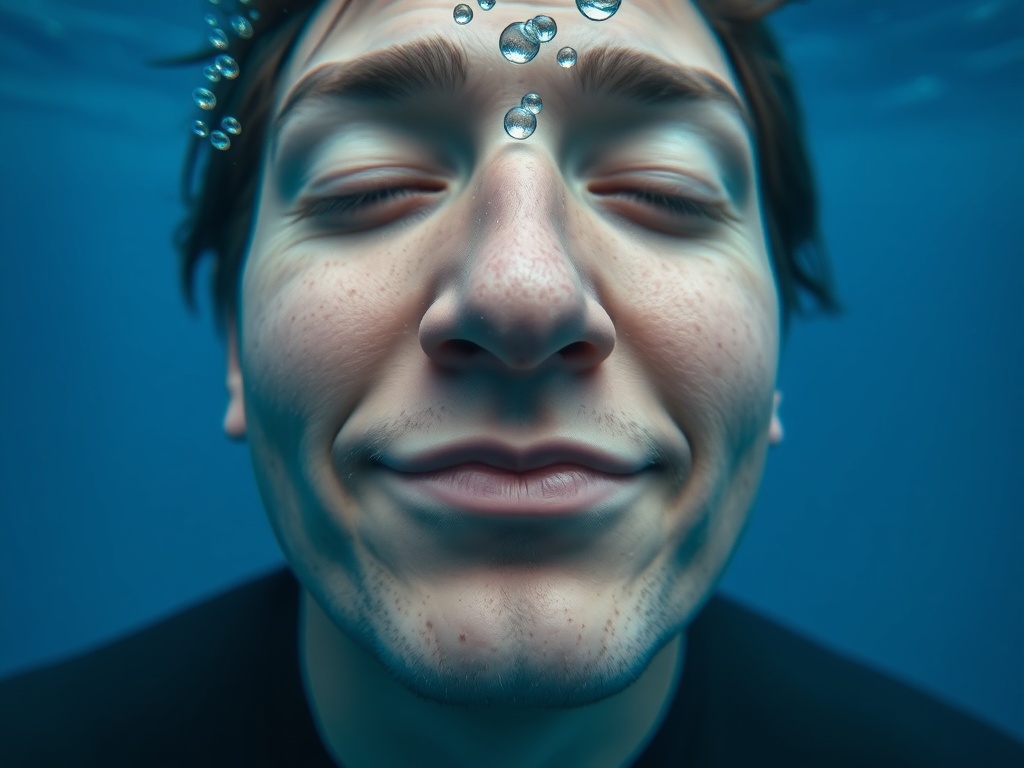
Those contractions are reflexive responses to elevated CO2 levels. They are the body checking in… asking a question, not issuing a command.
Early in your training, those signals feel aggressive. Chaotic. Your instinct is to escape them. But over time, something shifts. The contractions don’t disappear—you simply stop interpreting them as danger.
You learn to let them pass through you.
This is not toughness. It’s calibration.
CO2 Tolerance Is a Nervous System Skill
Most people approach breath-hold like a test of willpower. They try to override the urge to breathe.
That approach fails.
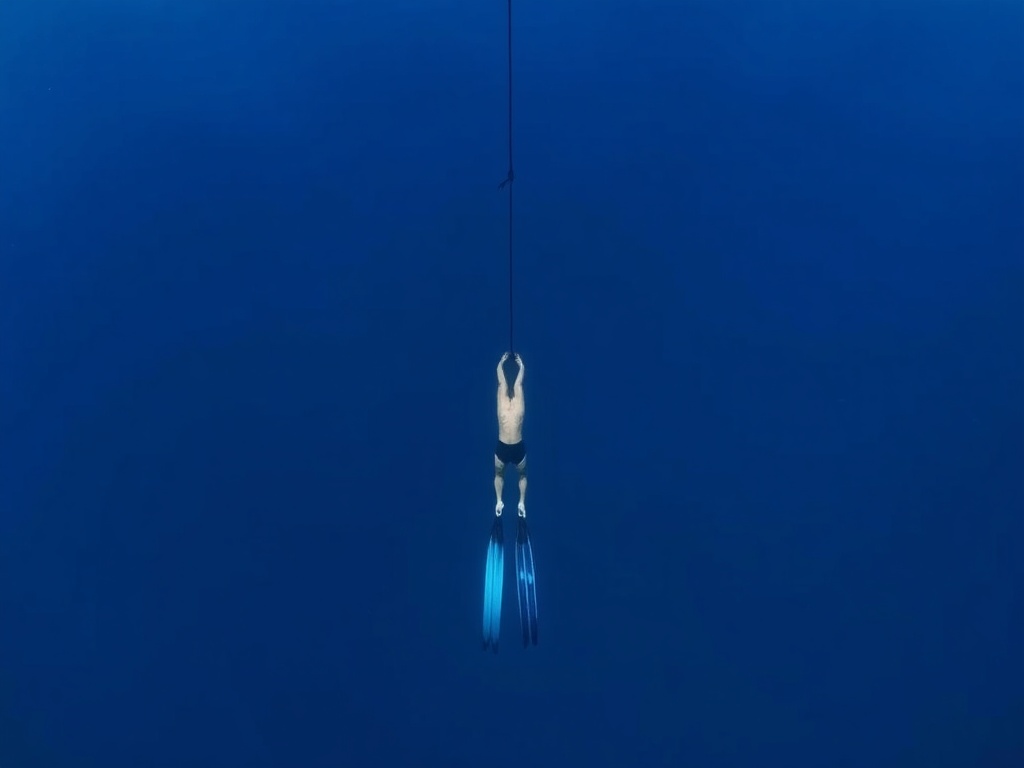
CO2 tolerance isn’t built through force. It’s built through familiarity. Through repetition. Through teaching your nervous system that elevated CO2 is not an emergency.
Let’s get practical.
A simple dry-land protocol:
- Exhale gently… not fully. Leave space.
- Hold until the first clear contraction.
- Stay relaxed for 2–3 more contractions.
- Recover with slow nasal breathing.
Repeat this for 6–8 rounds.
What you’re doing here is not chasing time. You’re rewiring perception. Each exposure teaches your body: "This is uncomfortable, but it is not unsafe."
Over weeks, the signal softens. The edge dulls. The Great Quiet becomes accessible sooner.

The Danger of Misunderstanding the Signal
Here’s where we need to be precise… and serious.
Just because the urge to breathe is driven by CO2 does not mean you are safe to ignore it indefinitely.
Oxygen depletion is silent. That’s what makes it dangerous.
This is why we never dive alone. Why we surface with control. Why we respect the protocol even when the dive feels easy.
The goal is not to suppress signals. It’s to understand them.
When you misinterpret CO2 discomfort as immediate danger, you cut dives short. When you ignore oxygen limits entirely, you risk blackout.
The path is between those extremes.
Awareness without ego.
Reading the Body Instead of Fighting It
Freediving isn’t about endurance. It’s about interpretation.
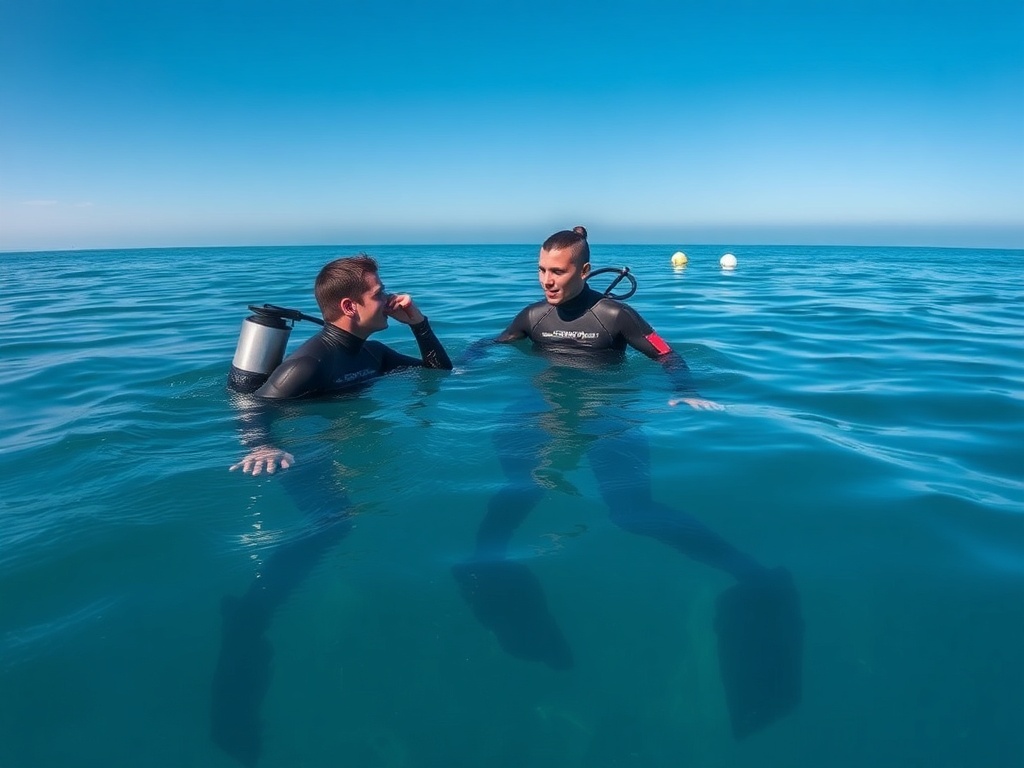
The elite divers you watch—they aren’t "stronger" in the way most people think. They’re quieter. Their nervous systems don’t overreact to rising CO2. Their movements are efficient. Their minds don’t amplify discomfort into panic.
They’ve learned to read the body like a subtle instrument.
You can do the same.
Start paying attention to the layers of sensation:
- The first urge (subtle tightening)
- The first contraction (rhythmic pulse)
- The mental response (calm or resistance)
Each layer tells a different story.
Your job is not to silence them… but to listen without reacting.

The Quiet Is Earned on Land
Seventy percent of your progress happens before you touch the water.
CO2 tables. Diaphragm mobility. Nasal breathing patterns. Posture. Even how you sit during the day affects your ability to equalize and relax at depth.
The diver who struggles at 20 meters is often carrying tension from the surface—tight jaw, elevated heart rate, shallow breathing patterns.
The ocean doesn’t create those problems. It reveals them.
So do the work on land.
Sit still. Hold. Feel the rise of CO2 without distraction. This is where the real training happens.

Final Calibration
The urge to breathe is not your enemy. It’s a messenger… one that most people misinterpret.
When you understand that it’s driven by CO2—not immediate oxygen depletion—you stop reacting with fear. You start responding with awareness.
And in that space… between the signal and your reaction… you find control.
You find stillness.
You find The Great Quiet.
Breathe easy, dive safe.