Mastering the Depth: Quick Tips for Effective Freediving

Freediving, the art of diving on a single breath, offers both immense peace and technical challenge. While many are drawn to the allure of the deep blue, the journey to mastering freediving goes beyond physical strength—it's about mastering your body's response to pressure, overcoming mental barriers, and understanding your physiological limitations. In this quick tip guide, we'll explore simple, effective strategies to improve your freediving performance. Whether you're a beginner looking to dive deeper or a seasoned diver seeking to refine your technique, these tips will help you stay grounded and dive safely.
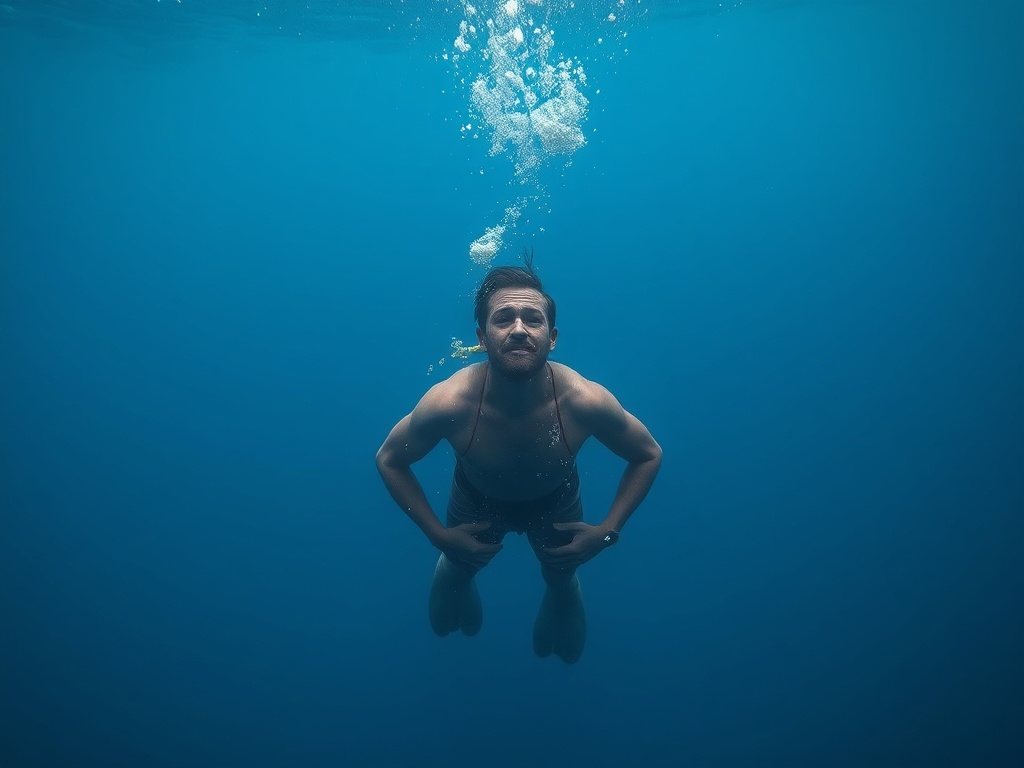
1. Improve Your Equalization Techniques
Equalization is a critical skill that can make or break your freediving experience. If you struggle with equalizing your ears or sinuses at depth, it's likely due to tension in your soft palate or diaphragm. The key is relaxation. Try practicing the Frenzel maneuver, where you gently pinch your nostrils and push air towards your inner ear. Another tip: keep your tongue pressed against the roof of your mouth while you equalize, allowing for smoother air passage and preventing discomfort at depth.
2. Master Your Breathing
Breathing is at the core of freediving. It not only supports your body physically but also helps you manage your mental state. Practice slow, deep breaths using your diaphragm, not your chest. Inhale through your nose, filling your lungs completely, and exhale gently through your mouth, releasing tension. A great way to practice this is through diaphragmatic breathing exercises on land, especially before a dive to calm your mind and prepare your body.
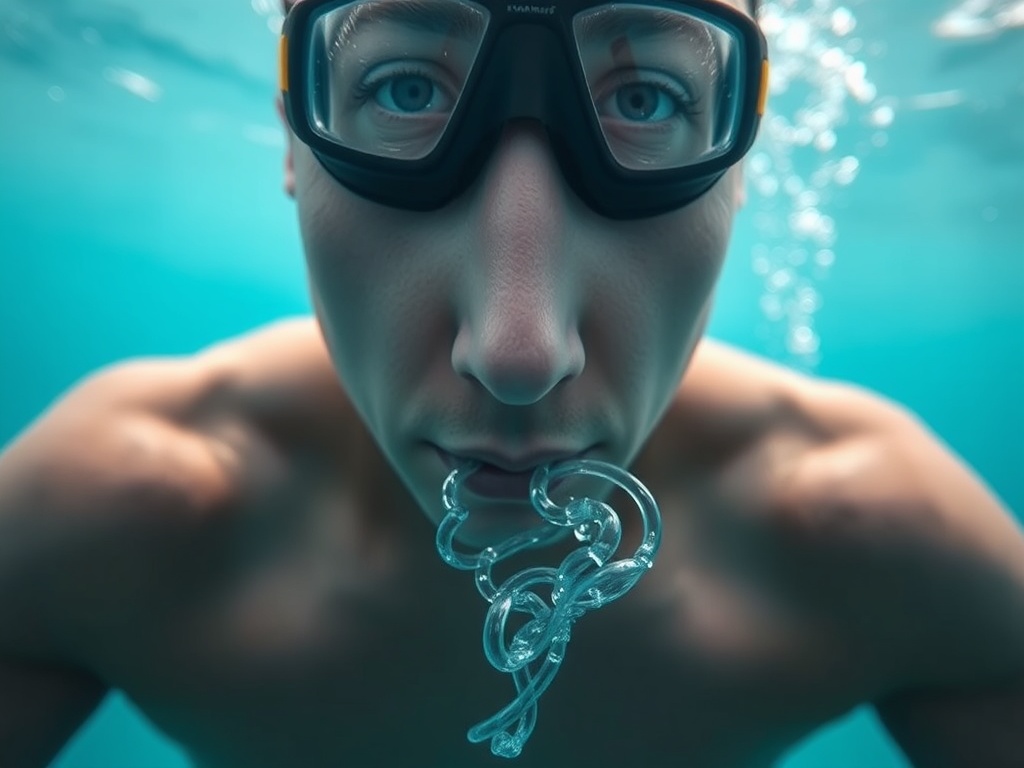
3. Build CO2 Tolerance with Dry-Land Training
One of the best ways to improve your freediving ability is by increasing your CO2 tolerance. This allows you to stay comfortable underwater for longer periods. To build this tolerance, practice static breath-holds on land. Start by inhaling deeply, holding your breath for a few seconds, and then exhaling slowly. Over time, you can extend the duration of each hold. This dry-land training enhances your ability to manage the urge to breathe when submerged, improving both your dive times and comfort at depth.
4. Stay Calm: Overcoming the Urge to Breathe
The urge to breathe is one of the most powerful sensations a freediver experiences. Overcoming this is not just about physical strength—it's a mental challenge. As you approach the point where you need to surface, focus on staying calm. Remember that this is a natural reflex. By remaining still and in control, you can reduce the feeling of panic and dive deeper safely. Meditation and mindfulness techniques can also help, as they train your body and mind to stay calm in the face of discomfort.

5. Know Your Limits and Respect Safety Protocols
Safety is paramount in freediving. Always dive with a buddy and never push yourself beyond your limits. Knowing when to turn around is just as important as knowing how to dive deep. Before every dive, set a clear goal and make sure you're physically and mentally prepared. Never dive alone, and always follow the buddy system to ensure a safe experience. You should also review blackout recovery protocols regularly, as they can save your life in case of an emergency.
Conclusion
Freediving is a practice that involves more than just the physical aspects of diving. It’s a holistic discipline that requires mental clarity, physiological awareness, and a deep respect for the ocean. By refining your equalization, breathing, CO2 tolerance, mental state, and safety protocols, you'll not only dive deeper but also do so with mindfulness and care. Remember, the journey to mastery in freediving is a quiet one, and with every breath, you move closer to the stillness of the depths.