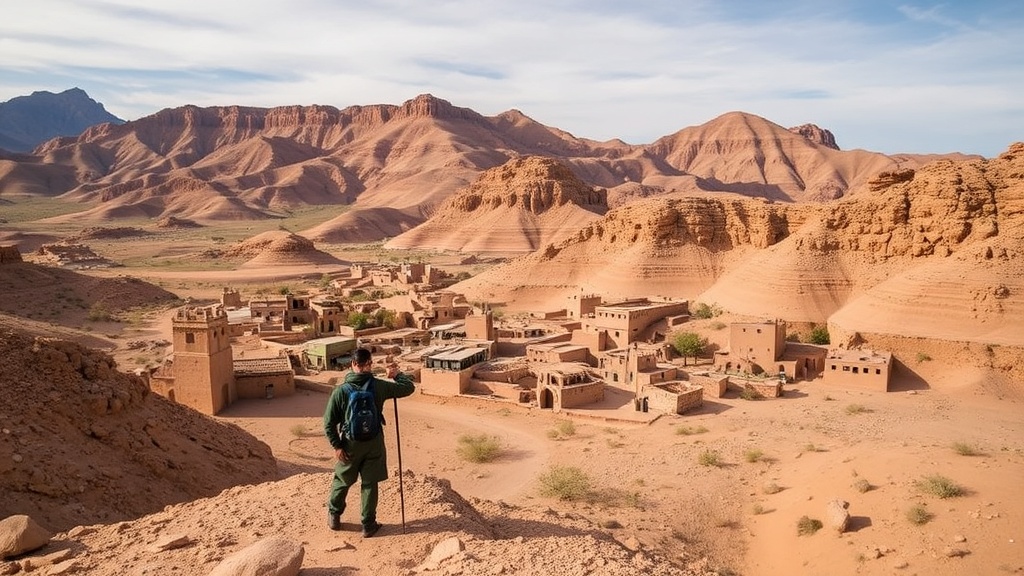
Navigating the High Atlas: A Trekker's Guide to Berber Villages

There is a specific kind of silence found only at high altitudes. It isn't the absence of sound, but rather the presence of something vast. As a freediver, I spend much of my life studying how the human body adapts to the crushing weight of the ocean. I look for the point where physiological stress meets mental stillness. In the High Atlas Mountains of Morocco, I found a different kind of pressure—the weight of history, the thinness of the air, and the profound, rhythmic way of life practiced by the Amazigh (Berber) people.
Navigating the High Atlas is not merely a physical trek; it is a lesson in human resilience and environmental adaptation. The terrain is a jagged labyrinth of ochre peaks and deep valleys, where the weather can shift from blistering sun to freezing mist in a matter of minutes. To trek here successfully, you must approach it with the same intentionality I use when preparing for a deep descent: respect the environment, monitor your internal state, and move with purpose.
The Topography of the Atlas: What to Expect
The High Atlas serves as a formidable barrier between the Mediterranean north and the Sahara south. This creates a microclimate that is notoriously unpredictable. Unlike the steady, predictable rhythms of the ocean, the mountains are volatile. You will encounter steep scree slopes, narrow ridge lines, and ancient mule paths that have been carved by centuries of foot traffic.
When planning your route, do not underestimate the impact of altitude on your cognitive and physical functions. Much like the science of resetting your energy levels during seasonal shifts, your body needs time to recalibrate to lower oxygen levels. Altitude sickness is a real risk, and your ability to read your body’s signals—headaches, nausea, or shortness-digitized breathing—is your most important piece of gear.
Essential Gear for High-Altitude Trekking
In the water, my gear is about pressure resistance and thermal protection. In the Atlas, your gear is about layering and durability. The goal is to manage your microclimate so you don't expend unnecessary energy on thermoregulation.
- Layering System: A moisture-wicking base layer, an insulating mid-layer (fleece or down), and a windproof/waterproof outer shell.
- Footwear: High-cut, broken-in trekking boots with aggressive tread. The terrain is uneven and can be slippery with loose shale.
- Hydration Strategy: Water is scarce in the higher reaches. Carry a filtration system or purification tablets, but always supplement with electrolytes to maintain cellular function.
- Sun Protection: The UV intensity at 3,000+ meters is extreme. A wide-brimmed hat and high-SPF sunscreen are non-negotiable.
Understanding the Berber Culture: A Guide to Village Etiquette
The mountain villages, or douars, are the heartbeat of the Atlas. These communities are incredibly tight-knit and deeply rooted in Islamic and Amazigh traditions. As a traveler, you are a guest in a sacred space. Approaching these villages with humility and respect will fundamentally change your experience from that of a spectator to a participant.
Entering a village is a sensory experience. The smell of woodsmoke, the sound of livestock, and the sight of terraced agriculture create a sense of timelessness. However, it is important to remember that these are living, working communities, not open-air museums.
The Art of the Greeting and Social Nuance
In many parts of the world, social interaction is transactional. In the High Atlas, it is relational. Taking the time to engage in small talk—even if it is through gestures and smiles—is vital. If you are invited for mint tea, accept it. The tea ceremony is a ritual of hospitality and a moment to slow down. It is a perfect example of how humans use ritual to find rhythm in their daily lives, much like navigating afternoon breaks in Spain to honor the natural ebb and flow of energy.
Key Etiquette Tips:
- Photography: Always ask permission before taking photos of people, especially women and the elderly. A nod and a pointed camera is often not enough; a verbal or gestural "may I?" goes a long way.
- Dress Code: While you are hiking, once you enter a village, dress modestly. Shoulders and knees should be covered to respect local customs.
- The Right Hand: When eating or shaking hands, use your right hand. The left hand is traditionally considered unclean in many North African cultures.
- Gifting: If staying in a local guesthouse (gîte), a small gift like high-quality tea or dried fruit is a thoughtful gesture, though not required.
Logistics: Navigating the Trails and Village Stays
There are two primary ways to experience the Atlas: the independent trek or the guided expedition. While the allure of solo exploration is strong, the complexity of the terrain and the language barrier make guides highly recommended.
Choosing Your Path
If you are an experienced trekker with high-altitude experience, you can navigate much of the main trails using GPS and physical maps. However, the "shortcuts" used by local shepherds are rarely marked and can lead to dead ends or dangerous terrain. If you want to truly understand the landscape, hiring a local Berber guide is the best way to do so. They don't just show you the way; they translate the culture and the geology.
For those looking for a more comfortable experience, many villages near Imlil offer high-quality gîtes. These are family-run guest houses that provide a warm bed and hearty, traditional meals. Staying in these gîtes allows your money to go directly into the local economy, supporting the preservation of these unique mountain cultures.
Managing Physical and Mental Stamina
Trekking in the Atlas is a marathon, not a sprint. You will likely be walking 5 to 7 hours a day with significant elevation changes. To maintain your stamina, you must listen to your body with the same precision I use to monitor my breath-hold during a dive. If your heart rate is spiking or your breathing becomes ragged, it is a signal to slow down. This is not a failure of fitness; it is an act of intelligence.
To optimize your recovery during the trek, focus on your sleep hygiene and nutrition. Even in a mountain hut, trying to maintain a consistent circadian rhythm can help your body recover faster. You can read more about syncing with your circadian rhythm to better understand how light and timing affect your physical state.
A Note on Sustainability and Impact
The High Atlas is a fragile ecosystem. The very beauty that draws us to these mountains—the pristine air, the untouched landscapes, the ancient ways—is susceptible to the pressures of modern tourism. As travelers, we must be stewards of the land.
Leave No Trace: This is the golden rule. Carry out everything you carry in. This includes organic waste like fruit peels, which can take a long time to decompose in the arid mountain air and can disrupt local wildlife.
Support Local: Avoid large-scale tour operators that bypass the local villages. Instead, book directly with local guides and stay in village-owned accommodations. This ensures that the economic benefits of your journey stay within the community that preserves this landscape.
The High Atlas is a place that demands your presence. It is not a backdrop for a photo; it is a living, breathing entity. When you approach it with respect, a willingness to learn, and a deep awareness of your own physical limits, the mountains offer a reward that no ocean depth can match: a profound sense of connection to the earth and the people who have mastered the art of living within its creases.