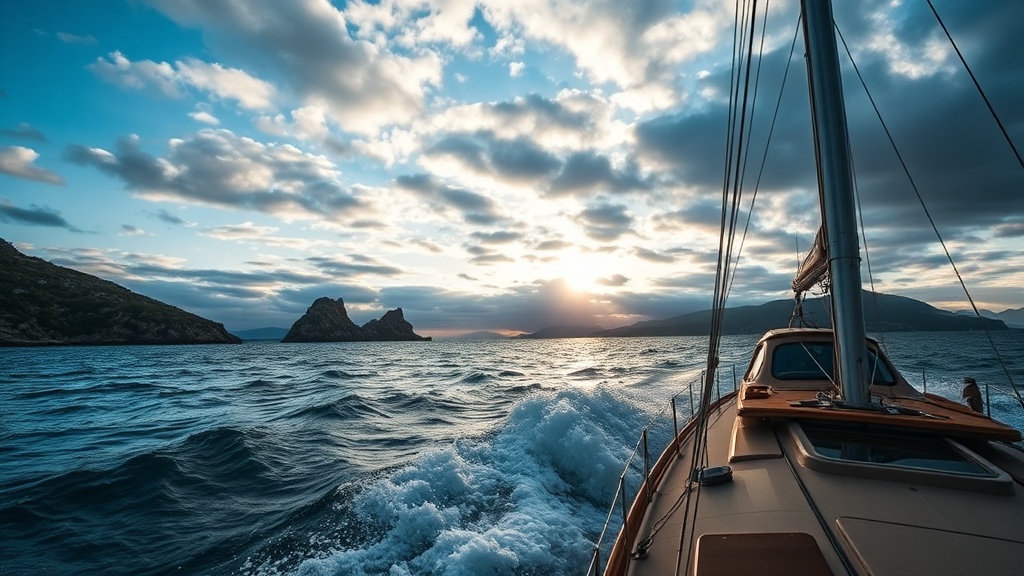
Navigating the Currents of the Azorean Archipelago

Most travelers assume the Azores are just a stepping stone to Europe or a quiet spot for whale watching, but they overlook the intense, high-energy maritime environment that actually defines the archipelago. This guide covers the logistical realities of visiting the Azores—specifically the weather patterns, the volcanic topography, and the complex ocean currents—so you can plan an expedition rather than just a vacation. Understanding these variables is the difference between a successful trek and being caught in a dangerous Atlantic swell.
What is the best time to visit the Azores?
The best time to visit the Azores is between June and September when the weather is most stable and the Atlantic temperatures are at their highest. While the islands are technically part of the European territory, they operate on their own seasonal rhythm dictated by the North Atlantic Current. If you arrive in the winter, expect heavy winds and frequent storms that make even basic boat transfers difficult.
During the summer months, the weather is predictable enough for most outdoor activities, but don't get too comfortable. The weather changes on a dime here. One moment you're under a clear blue sky, and twenty minutes later, a thick mist rolls off the volcanic peaks. It's a constant reminder that the ocean dictates the rules in the middle of the Atlantic.
For those interested in marine biology or diving, the summer window also aligns with peak activity for several species. If you want to see the sperm whales or blue whales, you'll want to be there when the water is warmer and the visibility is at its peak. It’s a narrow window, but it's worth the effort.
How much does a trip to the Azores cost?
A mid-range trip to the Azores typically costs between $150 and $250 per day, including decent accommodation, car rentals, and dining. While the islands are generally more affordable than mainland Portugal or the Caribbean, the logistics of moving around the archipelago add up quickly.
The biggest expense isn't usually the food—which is incredible and relatively cheap—but the transport. Since many of the best spots are inaccessible by public bus, you'll need a rental car or even a 4x4 if you're heading into the more rugged interior of São Miguel or Flores. I've found that booking a car through a local agency like Auto Viação is often more reliable than the big international brands.
| Expense Category | Estimated Cost (Per Day/Person) | Notes |
|---|---|---|
| Accommodation (Mid-range) | €80 - €150 | Depends heavily on the island. |
| Dining & Food | €30 - €50 | Local markets are great for saving. |
| Car Rental | €40 - €70 | Highly recommended for all islands. |
| Activities (Diving/Hiking) | €50 - €120 | Diving is a premium expense. |
On the flip side, if you're traveling light and staying in guesthouses, you can certainly shave these numbers down. Just don't skimp on the car rental. Trying to navigate a steep, narrow volcanic road in a tiny, underpowered car is a recipe for a headache.
Which islands should you visit for hiking and diving?
You should prioritize São Miguel for accessibility and variety, or Flores for raw, untouched nature, depending on your skill level. Each island in the archipelago offers a different version of the Atlantic experience.
- São Miguel: The largest island. It has the most infrastructure, the famous Sete Cidades lakes, and great thermal baths.
- Faíal and Pico: These are the heavy hitters for ocean-based enthusiasts. Pico is home to the highest peak in Portugal and offers serious climbing and hiking.
- Flores: This is where the real wildness lives. It's incredibly green, rugged, and feels much more remote than the other islands.
- Santa Maria: If you want something a bit more relaxed and sun-drenched, this is the spot.
If you're a diver, you'll want to look into the waters around Pico and Faíal. The deep water access is much closer to the shore here. If you've spent time studying how the body adapts to pressure, you'll appreciate the depth and clarity found in these waters. The thermoclines can be sharp, though. One minute you're in a temperate layer, and the next, you're hitting a cold current that'll make your skin prickle.
For those who enjoy land-based training, the terrain is perfect for building cardiovascular endurance. The elevation changes are constant. You aren't just walking; you're climbing. It's a great way to test your physical limits before you even get near the water.
The terrain is basaltic and often slippery. If you're planning on hiking the caldeiras, make sure your footwear is up to the task. I never leave home without my Patagonia hiking boots—the grip on these volcanic rocks is no joke. If your boots aren't waterproof, you're going to have a bad time once the mist hits.
Navigating the Volcanic Terrain
The Azores are essentially the peaks of massive underwater mountains. This means the topography is extreme. You'll encounter steep cliffs, deep craters, and highly uneven paths. When you're hiking through the highlands of São Miguel, you're essentially walking on the rim of a volcano. It's breathtaking, but it requires respect.
The weather can turn from sunny to a torrential downpour in minutes. This isn't just a minor inconvenience; it changes the safety profile of the trails. The mud becomes incredibly slick, and visibility can drop to nearly zero. Always carry a high-quality waterproof shell and a reliable topographical map. Relying solely on a phone GPS is a mistake I've seen too many people make.
The ocean is just as temperamental. The currents around the islands are powerful and can be unpredictable. If you're planning on any water-based exploration, you must understand the local swell patterns. For example, the National Ocean Service provides excellent general data on how currents work, which is useful context for understanding why the Atlantic behaves the way it does. In the Azores, the Atlantic isn't just a backdrop—it's the main character.
If you've practiced dry-land training protocols, you'll know how to manage your breath and physical exertion. Use that same discipline when hiking these steep grades. Keep your breathing steady. Don't let the exertion spike your heart rate too quickly, especially if you're planning on getting in the water later that day.
The Azores offer a rare chance to experience the raw, unpolished side of the Atlantic. It isn't a manicured paradise. It's a jagged, breathing, volcanic ecosystem that demands your attention. If you go in with the right respect for the elements, it's one of the most rewarding places on earth. If you go in expecting a tropical beach vacation, you'll be disappointed. The islands don't care about your expectations.