Ice Dive Record: Alexey Molchanov’s 91‑Meter Descent Under Lake Baikal – What It Means for Freedivers
Did you hear about a freediver diving beneath a frozen lake and hitting 91 meters? It’s not a movie stunt – Alexey Molchanov just set a new ice‑dive world record under Lake Baikal, and the ripple effects could change how we train for depth.
Why does an ice‑dive record matter for every freediver?
Most of us practice in warm tropical waters, but the physics of cold water, the mental challenge of a solid ice ceiling, and the gear constraints create a unique stress test. Understanding these factors helps you sharpen CO₂ tolerance, improve equalization, and stay safer in any environment.
What happened at Lake Baikal?
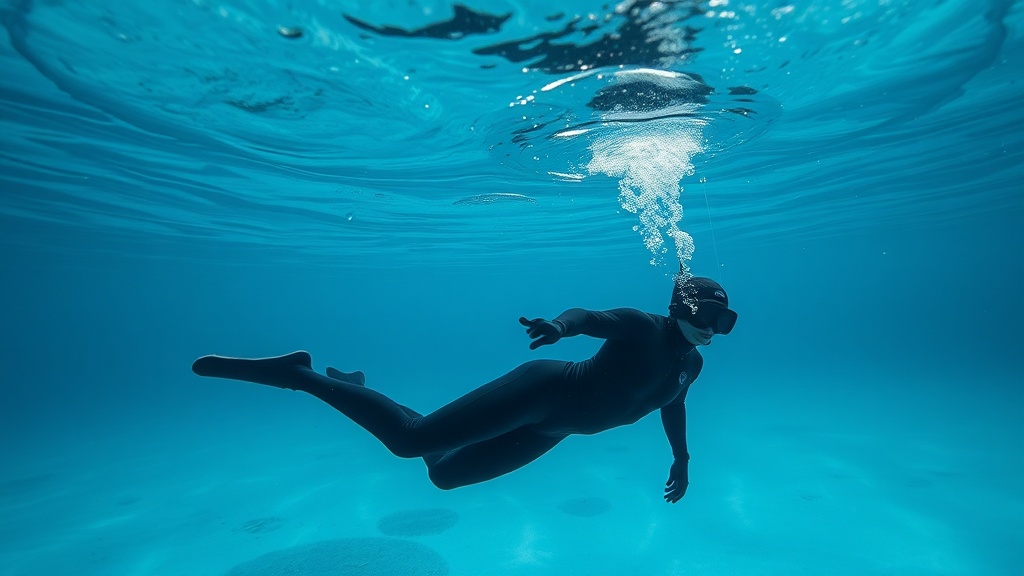
On March 3, 2026, Molchanov descended to 91 m in the CWTi (Constant Weight with Fins under Ice) discipline, breaking his own 2024 record of 90 m. He used a monolast suit to protect against the icy water and a small entry hole cut into the lake’s surface. The dive was verified by AIDA International and filmed for the freediving community.
How does cold water affect your physiology?
Cold water accelerates heat loss, which can trigger a faster heart rate and increased oxygen consumption. The Contraction Is Data explains how a sudden CO₂ spike feels like a “contraction” – cold water can amplify that signal, making it harder to stay relaxed.
What gear did Molchanov use, and do you need it?
He relied on a specialized monolast suit, a low‑profile mask to avoid fogging, and a lightweight dry‑suit hood to keep the head warm. For most divers, a full dry‑suit isn’t necessary, but the right thermal layer can keep your core temperature stable enough to maintain CO₂ tolerance.
How can you train for ice‑dive conditions without heading to Siberia?
- Cold‑water breath‑hold drills: Use a cold shower or an ice‑bath for 2‑3 minutes before a static apnea session. This mimics the vasoconstriction you’ll feel under ice.
- Equalization under pressure: Practice Frenzel equalization with a tongue‑posture drill while wearing a mask on land.
- CO₂ tolerance tables: Follow the CO₂ tolerance guide but add a 1‑minute ice‑water immersion after each series to train the nervous system.
What safety lessons does the dive teach?
Ice diving removes the visual horizon, so depth perception can be deceptive. Molchanov’s team used a tether line and a surface support crew with a “buddy‑on‑ice” system. If you ever attempt a cold‑water dive, always have a dedicated surface safety diver ready with a line and a rescue sled.
What’s next for the sport?
Molchanov’s record pushes the envelope for what’s physically possible under ice. Expect more research on cold‑water metabolism, new gear innovations, and perhaps a dedicated “Ice Freediving” competition circuit in the next few years.
Takeaway
Whether you’re training in a Hawaiian lagoon or a mountain lake, the principles behind Molchanov’s record – disciplined CO₂ management, precise equalization, and thermal preparation – are universal. Add a cold‑water element to your next training week, respect the added safety protocols, and you’ll be better equipped for any depth.
Related Reading
- The Physics of the Final Five: Why Your Last Meters Are the Deadliest – Dive deeper into the mechanics of the final ascent.
- Shallow Water Blackout: The Science Behind the Last 10 Meters – Understand blackout risk in cold water.
- Your Ears Are Lying to You: A Frenzel Equalization Primer – Master equalization for deep dives.
- The Contraction Is Data: Stop Running From Your CO₂ Alarm – Manage CO₂ signals in stressful environments.
- Diving Technology: The Only Outdoor Gadgets That Matter – Gear that can survive ice conditions.