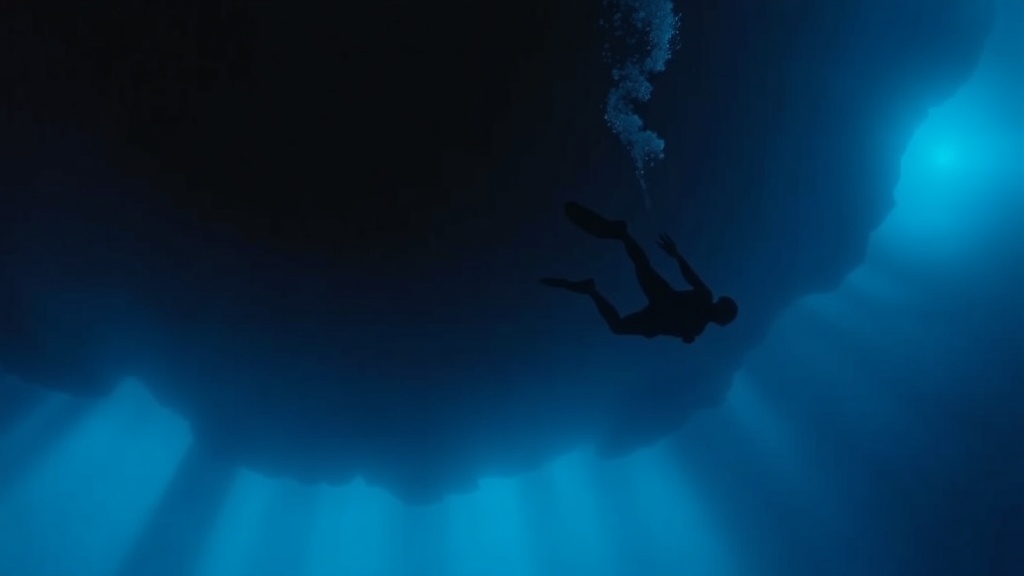
Freediving into the Abyss: Discovering Inner Silence in the Deep Blue
Deep beneath the surface lies a world that transforms travelers in ways no passport stamp ever could. This post explores how freediving opens doors to underwater realms—covering the science of breath-holding, safety protocols for descent, gear that actually performs, and destinations where clear waters reward those willing to hold their breath and let go. Whether you're chasing adventure across the Pacific or seeking a meditation practice that happens to involve neoprene, understanding freediving fundamentals prepares you for experiences that can't be replicated on land.
What Is Freediving and Why Do Adventure Travelers Choose It?
Freediving is breath-hold diving—descending on a single lungful of air without tanks, regulators, or bubbles. Adventure travelers gravitate toward this discipline because it strips away the mechanical barriers between human and ocean. No hissing regulators. No clanking gear. Just you, a breath, and the blue.
The sport ranges from casual reef exploration to competitive depth pursuits exceeding 100 meters. Most travelers fall somewhere in between—seeking encounters with marine life that remain skittish around noisy scuba equipment. Whale sharks in the Philippines. Spinner dolphins off the Kona coast. Coral cathedrals in Indonesia's Raja Ampat. Freediving grants access that traditional diving simply cannot match.
There's also the portability factor. A quality freediving setup fits in a carry-on. No tanks to rent. No fill stations to locate. For van-lifers and perpetual travelers, this matters.
"The diver descends not to conquer the depths, but to meet them on their own terms."
How Does the Mammalian Dive Reflex Help You Stay Underwater Longer?
The human body possesses remarkable adaptations to submerged conditions—collectively called the mammalian dive reflex. Triggered by cold water on the face and breath-holding, this ancient response optimizes the body for underwater survival.
Heart rate drops immediately. Blood vessels constrict in the extremities, shunting oxygen-rich blood toward the heart and brain. The spleen releases stored red blood cells, boosting oxygen-carrying capacity. These aren't marginal changes—they're dramatic physiological shifts that extend bottom time from seconds to minutes.
Here's what happens during a typical dive:
- 0-30 seconds: Heart rate begins decreasing. Peripheral vasoconstriction starts.
- 30-60 seconds: Blood shift intensifies. Oxygen conservation mode activates.
- 60+ seconds: Spleen contraction releases reserve hemoglobin. Master divers experience rates below 40 beats per minute.
Training doesn't create these adaptations—it refines them. Regular practice strengthens the neural pathways that trigger the reflex faster and deeper. Within weeks of consistent training, noticeable improvements emerge. Within months, transformation occurs.
Breath Techniques That Actually Work
Contrary to popular belief, hyperventilation (rapid, shallow breathing) doesn't help. It actually increases blackout risk by depleting carbon dioxide without significantly raising oxygen stores. CO2 serves as the body's primary urge-to-breathe signal—without it, divers can lose consciousness without warning.
Proper technique involves relaxed, diaphragmatic breathing. Inhale for 4 seconds, hold for 2, exhale for 8. Repeat for 2-3 minutes before a dive. This triggers the parasympathetic nervous system—that "rest and digest" state—preparing the body for submersion.
The "breathe-up" isn't about packing extra oxygen. It's about achieving calm. Tension burns oxygen. Anxiety shortens dives. The best divers look almost meditative before descending—and that's precisely the point.
What Gear Do You Actually Need to Start Freediving?
Quality equipment matters, but beginners often overspend. The essentials break down into three categories: vision, propulsion, and thermal protection.
| Item | Entry-Level Pick | Performance Upgrade | Price Range |
|---|---|---|---|
| Mask | Cressi F1 | Aqualung Sphera X | $30-$90 |
| Fins | Mares Avanti Quattro | Molchanovs CB2 Carbon | $80-$450 |
| Wetsuit | Patagonia Yulex 3/2mm | Orca Smoothskin Open Cell | $150-$400 |
| Computer | Garmin Descent G1 | Suunto D5 | $350-$750 |
Low-volume masks sit closer to the face, reducing the air needed to equalize. Long freediving fins (not scuba fins) move more water with less effort. Open-cell wetsuits provide superior warmth and hydrodynamics compared to surfing suits—worth the extra hassle of lubrication during donning.
That said, don't let gear acquisition delay getting wet. A decent mask and borrowed fins suffice for pool training. Many accomplished freedivers built their foundation on minimal equipment.
Where Are the Best Freediving Destinations for Intermediate Travelers?
Certain locations offer the holy trinity: visibility, depth, and marine life. For travelers ready to move beyond pool training, these destinations deliver.
Deep Squad—Dahab, Egypt
The Blue Hole in Dahab features a submarine arch at 55 meters, but the real appeal lies in the gently sloping reef wall. Divers can follow the contour to any comfortable depth, making it ideal for progressive training. Shore access eliminates boat costs. The town hosts multiple freediving schools, creating a community of like-minded travelers. Water temperature hovers around 27°C (81°F)—comfortable in a 3mm suit.
Big Animal Encounters—Tonga
Between July and October, humpback whales migrate through Tongan waters. Licensed operators facilitate in-water encounters with these 40-ton animals. Freedivers experience something impossible with scuba—the whales' songs vibrating through chest cavities, mothers guiding calves within arm's reach. Regulations are strict (and should be), but the experience redefines what's possible in adventure travel.
Coral Gardens—Gili Islands, Indonesia
Sea turtles. Reef sharks. Coral formations that extend to 30 meters with surreal visibility. The Gilis offer calm conditions, minimal currents, and infrastructure that supports extended stays. Accommodation ranges from $10 hostels to boutique eco-resorts. The shallow drop-offs around Gili Meno provide perfect training grounds.
Safety Protocols That Save Lives
Every freediving death is preventable. Every single one.
The golden rule: never dive alone. Not in pools. Not in calm bays. Not "just for a quick photo." Shallow water blackout—the loss of consciousness from oxygen deprivation—strikes without warning and without sensation. Victims simply go limp. Without a buddy ready to assist, drowning follows in seconds.
Proper buddy protocol involves one-up, one-down diving. The surface buddy watches continuously, ready to retrieve the diver upon surfacing. The retrieved diver remains under observation for at least 30 seconds—blackouts can occur after breathing resumes.
Other non-negotiables:
- Equalize early and often. Don't force past pain—barotrauma heals slowly.
- Know local conditions. Currents, thermoclines, and boat traffic vary by location.
- Stay hydrated. Dehydration thickens blood, impairing equalization and dive reflex.
- Rest between dives. Surface intervals should exceed dive times.
Worth noting: certification through agencies like AIDA, PADI Freediver, or Molchanovs provides structured progression and insurance recognition. Self-taught divers miss critical safety concepts.
How Does Freediving Change Your Relationship with Fear?
There's a moment—usually around 15 meters—when something shifts. The pressure squeezes. The light dims. The urge to breathe becomes insistent. And then, if you stay, it quiets.
This isn't adrenaline-seeking. It's the opposite. The deep demands surrender. Fight the sensations, and carbon dioxide spikes. Panic follows. Embrace the pressure, relax into the discomfort, and time expands.
Travelers often report that freediving changes their relationship with stress on land. Presentations feel less daunting. Conflict becomes manageable. The skills transfer—learning to observe discomfort without reacting, recognizing that panic is a choice, not an inevitability.
The ocean becomes a mirror. What surfaces there was already within.
Training Progressions That Build Real Capability
Competitive freedivers follow periodized training. Travelers should adapt this framework for intermittent practice.
Week 1-2: CO2 tolerance tables. Static apnea in pools. Focus on relaxation, not time.
Week 3-4: Dynamic apnea (horizontal swims). Introduction to equalization (Frenzel technique).
Month 2: Depth adaptation. Open water sessions with qualified instruction.
Ongoing: Dry training (apnea walks, breath holds on couch). Maintenance dives during travel.
The Frenzel equalization technique—using the tongue as a piston to pressurize air in the nasal cavity—separates casual snorkelers from serious freedivers. Most people require 2-4 weeks of dry practice before it becomes automatic underwater. Start on land. Perfect there first.
Can Freediving Become a Sustainable Travel Practice?
Unlike many adventure sports, freediving leaves minimal environmental footprint. No fuel-burning compressors. No abandoned tanks. No reef-damaging anchor chains from dive boats.
That said, ethical considerations remain. Chasing marine life stresses animals. Touching coral damages decades of growth. Taking selfies with seahorses often kills them. The best freedivers move through ecosystems like ghosts—present but unobtrusive, witnessing without interfering.
Some operators now offer "silent safaris"—freediving-focused trips where groups observe megafauna without engines running. The PADI Aware Foundation maintains databases of operators committed to responsible marine tourism. Research matters. The cheapest outfit often cuts corners on both safety and environmental protection.
For those living mobile lifestyles, freediving offers something rare: a practice that travels. The Pacific Ocean doesn't care about your mailing address. The skills apply universally. The community welcomes wanderers.
The descent begins with a single breath. The silence waits below.