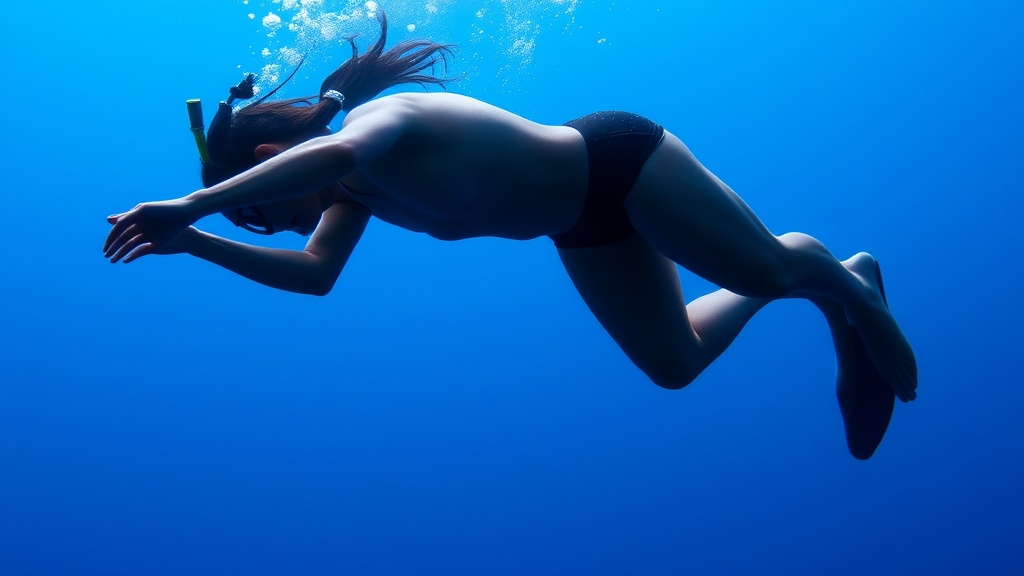
Freediving for Beginners: Master the Art of Breath-Hold Diving
Quick Tip
Always dive with a buddy and never hyperventilate before a dive, as this can lead to shallow water blackout.
What This Post Covers (and Why You'll Want to Read It)
Freediving opens a portal to underwater worlds without the weight of tanks, the hiss of regulators, or the limits of air supply. This guide breaks down breath-hold fundamentals for aspiring divers — from physiology basics to practical safety protocols that keep you alive while chasing depth. Whether you're planning a freediving course in Dahab, Egypt or practicing in your local quarry, these principles form the foundation of safe, enjoyable dives.
How Long Can Beginners Hold Their Breath Underwater?
Most untrained adults can hold their breath for 30–45 seconds. With basic techniques, that extends to 2–3 minutes within weeks. The body adapts remarkably fast.
Here's the thing — it's not about lung capacity. It's about the mammalian dive reflex, an ancient response that slows your heart, constricts peripheral blood vessels, and shunts oxygen to vital organs. You trigger it simply by submerging your face in cool water. Practice static apnea (breath-holding at rest) in a pool before adding depth. Apps like STAmina Apnea Trainer ($4.99) structure these sessions safely.
The catch? Never train alone. Shallow Water Blackout — loss of consciousness from oxygen deprivation — kills experienced divers who push limits without supervision.
What Gear Do You Actually Need to Start?
Beginners need minimal equipment: a low-volume mask, snorkel, long freediving fins, and a comfortable wetsuit.
| Equipment | Budget Option | Performance Pick | Why It Matters |
|---|---|---|---|
| Fins | Mares Razor Pro ($120) | Cetma Composites Taras ($450) | Long blades transfer energy efficiently |
| Mask | Aqualung Sphera ($35) | Omer Alien ($65) | Low internal volume reduces equalization effort |
| Computer | None (use line markings) | Suunto D4i Novo ($350) | Tracks depth, surface intervals, prevents overexertion |
Worth noting: many instructors lend gear during certification. Try before investing.
Where Are the Best Places to Learn Freediving?
Calm, warm, clear water with reliable depth and minimal boat traffic creates ideal learning conditions.
Amed, Bali offers 30-meter visibility and shore-accessible reefs — perfect for PADI Freediver certification. Blue Hole, Dahab (Egypt's Red Sea coast) provides a freshwater sinkhole with lines set at 10m, 20m, and 30m — legendary in the community. Closer to North America, the Florida Springs maintain 72°F year-round with bathtub clarity.
That said, any safe body of water works. Quarry diving in Ontario. The Channel Islands off California. Even deep pools with 5-meter platforms build skills. What matters is finding an instructor certified through Molchanovs, AIDA, or PADI — someone who teaches rescue techniques from day one, not just depth chasing.
Start shallow. Breathe slow. The depth will wait.