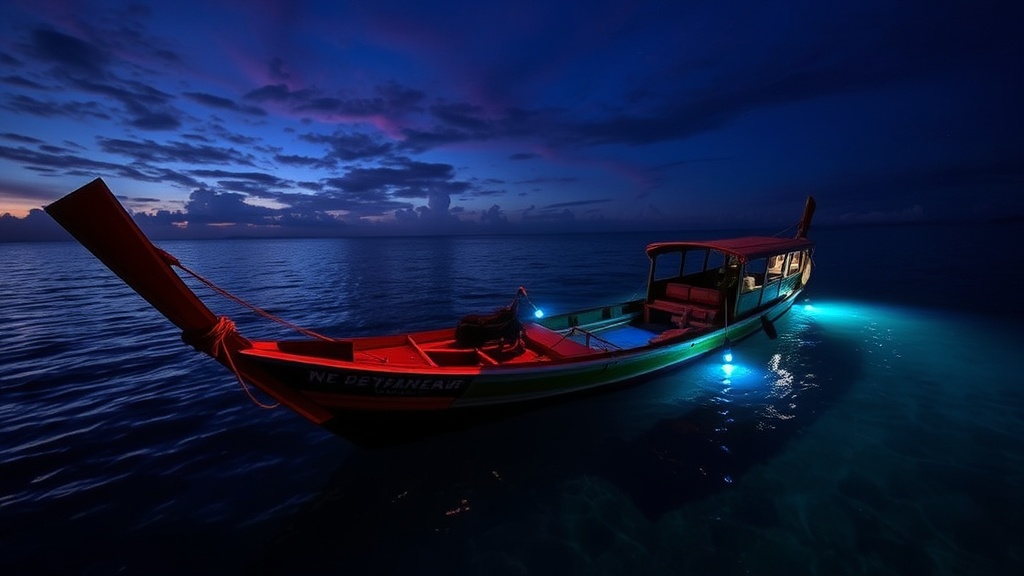
Finding Remote Blue Holes and Deep Water Access in Southeast Asia

Have you ever wondered where to find truly deep, undisturbed water without the crowds of a commercial dive resort? This guide covers the logistics of locating and accessing remote blue holes and deep-water drop-offs across Southeast Asia. We focus on the technical requirements for traveling to these isolated spots, the gear needed for deep exploration, and how to respect the delicate ecosystems found in these deep blue voids.
Traveling to remote dive locations requires a different mindset than a standard beach vacation. You aren't just booking a hotel; you're calculating swell patterns, checking local maritime laws, and ensuring your transport can reach remote coastlines. In places like the Philippines or Indonesia, the best deep-water sites are often tucked away behind jagged reefs or accessible only by small, local vessels. This means your preparation starts long before you hit the water.
What gear is required for remote deep-water diving?
When you're heading to a location that is hours away from the nearest town, your gear list must be both minimal and high-performing. You can't rely on a rental shop to have the specific weight or the high-quality mask you need. A high-quality low-volume mask is a must—it saves precious air and reduces drag. Since you'll likely be traveling via van or small boat, weight matters. Focus on high-durability items that can withstand saltwater soak and long transit-times in a backpack or gear bag.
A reliable dive computer is non-negotiable. In remote areas, you won't have a dive master tracking your depth or deco stops. You are the authority on your own safety. For those traveling light, a single long fin set (like carbon or fiberglass) is often more efficient for long swims to a deep site than multiple pairs of shorter fins. Don't forget a high-quality reel; even if you aren't doing technical wreck dives, having a line for depth gauging or as a reference point in a current is a smart move.
How do you find remote dive sites without a guide?
Finding these spots requires a blend of digital research and local intuition. Satellite imagery can be a great starting point to spot deep blue patches amidst shallower reef structures. However, the real way to find the best spots is through local knowledge. Talk to the fishermen in the small coastal villages. They might not know the term "blue hole," but they know where the deep water drops off or where the currents pull.
Digital tools like Google Maps or specialized bathymetric charts can help you understand the seafloor topography. Look for sudden color changes in the water; a sharp transition from turquoise to deep navy usually indicates a significant depth increase. This is often where the interesting thermoclines and deep-water biology reside. Just remember that finding a spot is only half the battle—getting there safely is the other.
Is it safe to dive remote locations alone?
The short answer is: never dive a remote location without a dedicated safety partner. In the deep, the margin for error is slim. If you're traveling-style, this means either traveling with a dive buddy or hiring a local boatman who understands the local currents and tides. Even if you are a highly experienced diver, the environment in a remote area is unpredictable. You might encounter a sudden current shift or a change in visibility that you weren't prepared for.
"Safety isn't about being lucky; it's about having a plan for when luck runs out."
Always check the local weather reports through official channels like the NOAA Ocean Service resources or local maritime agencies. A single swell can turn a calm surface into a dangerous surge, making it nearly impossible to surface safely near a reef. If you're traveling solo in a van or on a budget, look for local dive communities or Facebook groups dedicated to the specific region to find potential dive partners.
Logistics and Transport Essentials
Transporting yourself and your gear to these locations is often the hardest part of the adventure. In Southeast Asia, this might mean a combination of long-distance buses, local ferries, and perhaps even a rented motorbike to reach the coast. Be prepared for bumpy roads and long wait times. If you're traveling by sea, always check the weight limits of the local outrigger boats (Bangkas or Jukung) before loading heavy gear.
It's also wise to carry a portable power bank and a way to keep your electronics dry. Salt air is brutal on electronics; if you're spending weeks in a van or on a boat, keep your dive computer and phone in a dry bag or a hard-shell case. Being organized with your gear and your transit schedule will make the difference between a frustrating trip and a successful expedition.
Understanding the Local Ecosystem
Remote areas are often the most pristine, but they are also the most fragile. When you find a blue hole or a deep drop-off, you are entering a specialized habitat. Be mindful of your buoyancy. One accidental contact with a coral structure can damage a colony that has grown for decades. Keep your fins tucked and your movements controlled. We are guests in these deep spaces, and our goal is to leave nothing behind but bubbles.