
Dry-Land Depth: A Complete Protocol for Training the Mammalian Dive Reflex Without Water

There’s a moment, sitting on the edge of your bed or standing barefoot in your kitchen, when the world is loud and your nervous system is louder. Emails, screens, unfinished thoughts… the bellows are shallow, restless. And yet, the same body that panics in traffic can find The Great Quiet at 30 meters.
The bridge between those two states is not the ocean. It’s training.
This is your dry-land protocol. Not a substitute for the water… but the foundation that makes depth inevitable.

Section 1: Understanding the Mammalian Dive Reflex (MDR)
Let’s talk mechanics.
The Mammalian Dive Reflex isn’t a trick. It’s ancient wiring. Submerge your face, hold your breath, and your body begins to shift—heart rate drops, blood redirects to vital organs, the bellows soften.
But here’s the truth most people miss: the MDR doesn’t require the ocean. It requires the right signals.
- Facial immersion or cold stimulus
- Breath-hold pressure
- Parasympathetic dominance
Dry land is where you learn to control those inputs without distraction. No current. No visibility issues. Just you and your physiology.

Section 2: Building CO2 Tolerance — The Real Limiter
The urge to breathe is not about oxygen. It’s about carbon dioxide. CO2 rises, receptors fire, the mind starts negotiating.
This is where most divers break—not because the body is done, but because the signal is unfamiliar.
CO2 tables train familiarity.
Basic CO2 Table Protocol
- Keep breath-hold time constant (e.g., 1:30)
- Decrease rest time each round
- Focus on relaxation, not struggle
Eight rounds. Controlled discomfort. No ego.
Over time, the contractions—the diaphragm’s rhythmic knocking—become less of a threat and more of a conversation.

Section 3: The Bellows — Lung Flexibility and Diaphragm Freedom
If your chest is rigid, your depth is capped.
The bellows must be elastic. Not forced open… but allowed.
Daily mobility:
- Diaphragm stretches (empty lung holds with rib expansion)
- Intercostal stretching
- Thoracic spine mobility
This is where most divers plateau. They chase depth instead of range of motion.
Your inhale should feel like silk unfolding, not a door being kicked open.
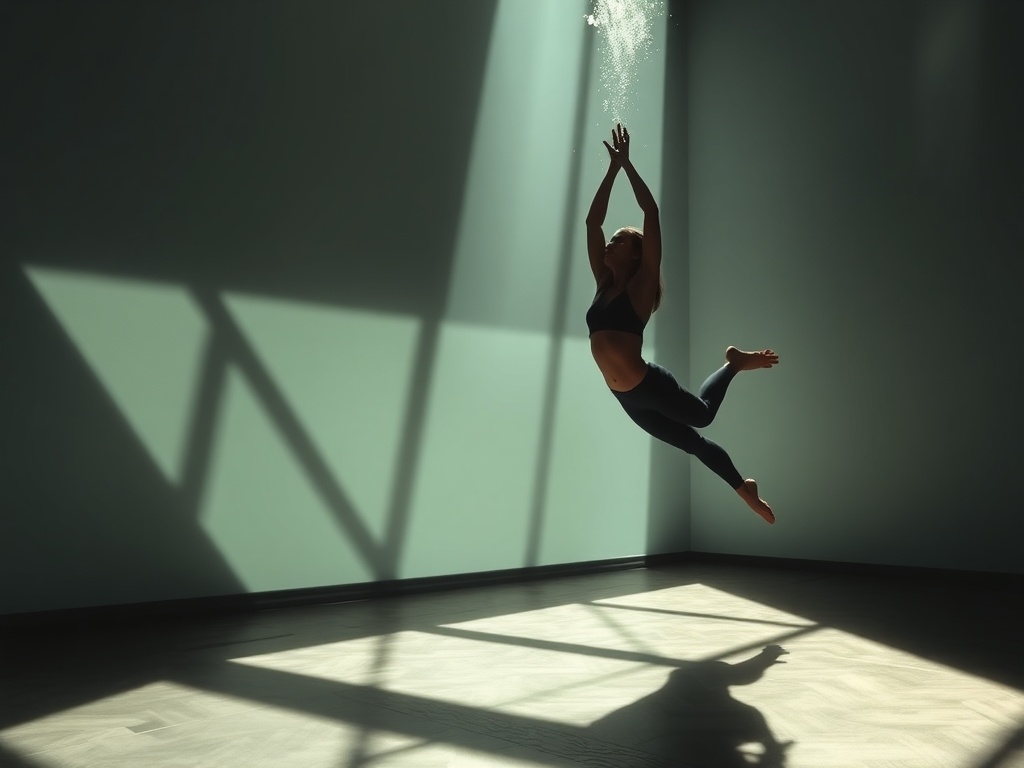
Section 4: Static Breath Holds — Rehearsing Stillness
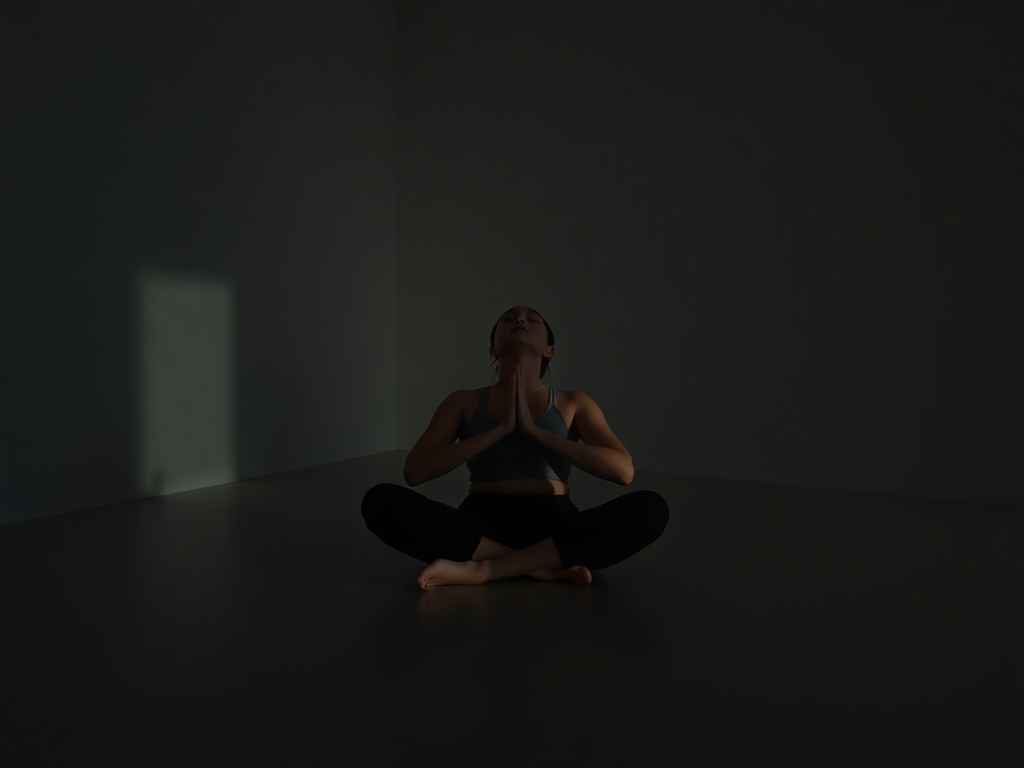
Static training is not about time. It’s about identity.
When you lie still and hold your breath, you are teaching your nervous system what “safe” feels like under pressure.
Protocol:
- 3–5 breath-holds per session
- Full recovery between attempts
- Eyes closed, body completely still
No music. No distractions. Just the slow descent inward.
The goal is not to push. The goal is to remove resistance.
Section 5: Equalization Training Without Water
If your equalization fails at 15 meters, it didn’t fail there. It failed on land.
Frenzel is a coordination pattern, not a strength exercise.
Train it daily:
- Soft palate awareness (switching between nose and mouth airflow)
- “K” sound engagement to pressurize
- Mirror drills to ensure no cheek inflation
This is subtle work. Invisible work. But it’s what separates a relaxed descent from a stopped dive.

Section 6: Mental Conditioning — The Space Between Thoughts
The deepest dives are quiet long before you reach depth.
Dry-land is where you train that quiet.
Simple practice:
- Box breathing (4-4-4-4)
- Body scanning during holds
- Observing contractions without reaction
The mind will try to fill the silence. Let it pass.
You are not fighting the urge to breathe. You are witnessing it.

Section 7: Safety — The Non-Negotiable
This is where the tone shifts.
You do not train breath-holds alone in water. Ever.
On land, you still respect limits:
- No hyperventilation
- Stop at first signs of dizziness
- Build gradually
Dry training builds capacity. It does not remove risk.
Safety is not a checklist. It’s a state of awareness you carry into every session.
The Integration: Turning Practice Into Depth
Here’s what happens when you commit to this work…
Your first 20 meters becomes effortless. Equalization smooths out. The contractions arrive later, softer. The descent stops feeling like an effort and starts feeling like a return.
Because you’ve already been there.
Not in the ocean—but in your nervous system.
Dry-land training is not glamorous. No one sees it. No one applauds it.
But it’s where depth is built.
And when you finally tip forward on the line, face breaking the surface… the ocean doesn’t feel foreign.
It feels familiar.
Like slipping back into something you’ve already mastered in silence.
Breathe easy, dive safe.