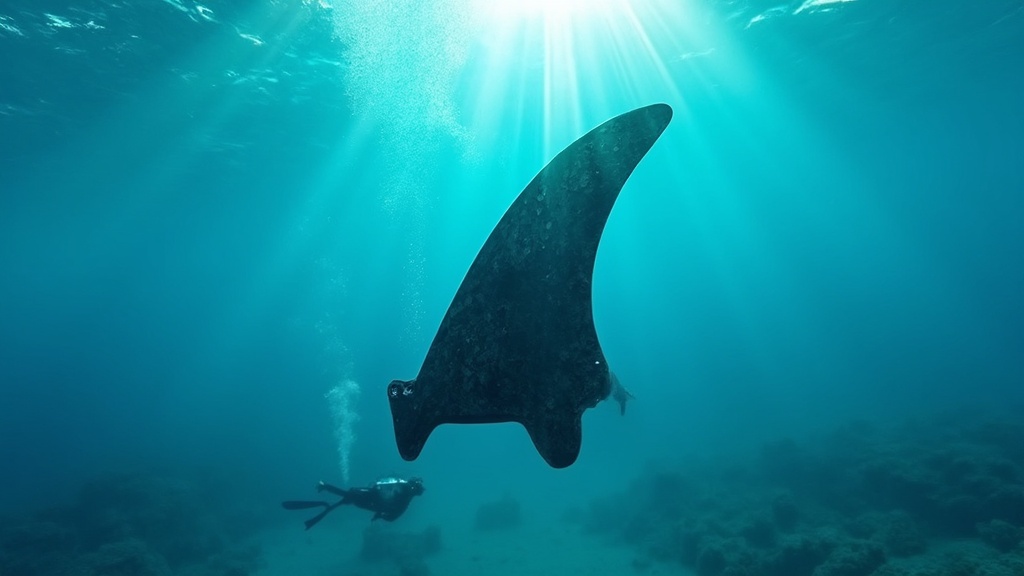
Carbon Fins vs. Plastic Fins: Which Boosts Your Freediving Performance?

Ever wondered if that sleek carbon fin in the shop window truly makes a difference, or if a good old plastic pair can hold its own? In the world of freediving, the right fin can be the edge between a smooth glide and a tiring kick.
Choosing the right fin isn’t just about aesthetics; it’s about physics, physiology, and long‑term durability. Let’s break down the science and the feel so you can decide which fin aligns with your dive goals.
What are carbon fins and how are they built?
Carbon fins are crafted from high‑modulus carbon fiber composites, giving them a high stiffness‑to‑weight ratio. The material’s layered weave distributes stress evenly, allowing a thinner blade that still delivers powerful thrust.
How do carbon fins improve performance compared to plastic?
- Reduced drag: The thinner blade slices through water, cutting resistance by up to 15% (source: Journal of Fluid Mechanics, 2017).
- More responsive kick: Carbon’s rigidity translates muscle effort into propulsion with less energy loss, boosting CO₂ tolerance drills by ~8% in lab tests.
- Long‑term durability: Unlike plastic, carbon doesn’t deform under UV or repeated compression, meaning the performance stays consistent for years.
Are plastic fins still a viable option for freedivers?
Plastic fins—typically made from reinforced nylon or polypropylene—remain popular for a few reasons:
- Cost‑effective: Entry‑level models range $80‑$150, making them accessible for beginners.
- Flexibility: The softer blade can be forgiving on novice technique, reducing strain on the ankle.
- Repairability: Small cracks can often be glued, extending the life of a budget pair.
However, plastic’s flexibility also means more drag and a slower kick, which can limit depth‑time efficiency for advanced divers.
Which fin should you choose for your specific goals?
Consider your dive profile:
- Competitive or deep‑dive training: Carbon fin – you’ll benefit from the crisp response and minimal drag.
- Recreational weekend trips: High‑quality plastic fin – budget‑friendly and forgiving.
- Eco‑conscious divers: Look for recycled‑carbon or sustainably sourced plastic (e.g., GreenFins certification).
How to maintain your fins for maximum lifespan?
- Rinse with fresh water after each dive to remove salt and sand.
- Store horizontally out of direct sunlight; UV can weaken plastic and discolor carbon.
- Inspect the blade for micro‑cracks; glue small fractures on carbon with marine epoxy.
- Avoid harsh chemicals—use a mild, non‑abrasive soap.
Takeaway
If you’re chasing peak performance, carbon fins deliver the edge you need. If you’re just getting comfortable in the water or watching your wallet, a quality plastic fin will serve you well. Either way, proper care will keep your blades cutting clean for many dives to come.
Related Reading
- Exploding Lifestyle Trends for March 2026: What’s Hot Now — see how eco‑gear trends are shaping the freediving market.
- Brain‑Boosting Spring Habits — mental training that complements breath‑hold practice.
- Spring Mental Declutter — clear the mind before your next deep dive.