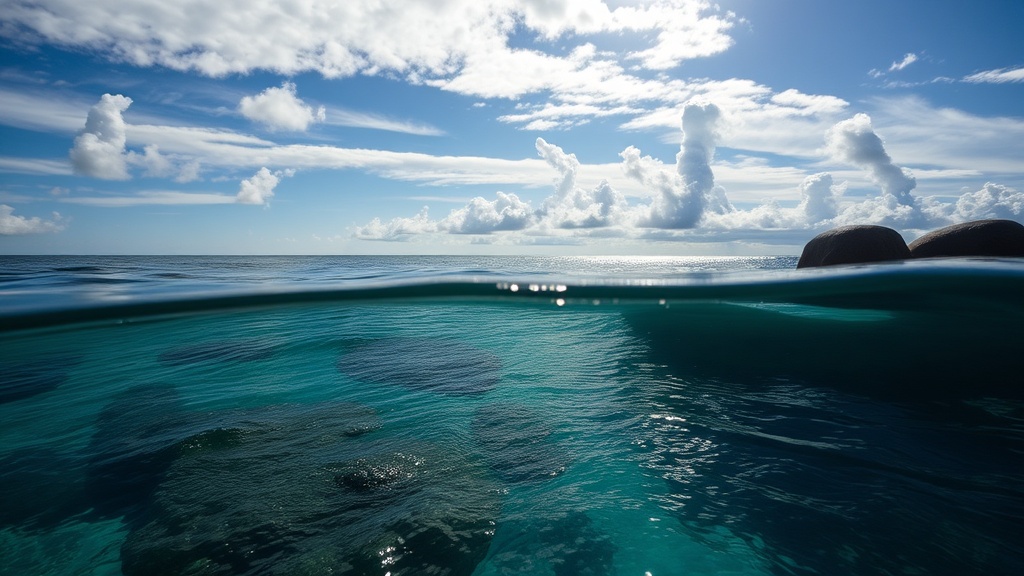
Beyond the Surface: Finding Remote Marine Sanctuaries in the South Pacific
Why do remote island chains offer the purest diving experiences?
The search for untouched marine environments often leads travelers far beyond the standard resort routes. While most tourists flock to the predictable currents of well-known hubs, the true depth of the South Pacific lies in the isolation of its lesser-known archipelagos. This isn't just about finding clearer water; it's about finding a place where the biological rhythm of the ocean remains uninterrupted by heavy human presence. When you travel to these remote pockets, you aren't just visiting a destination—you're entering a living, breathing ecosystem that dictates its own rules of engagement.
Traveling to these distant locales requires a shift in mindset. You can't just pack a bag and fly in; you have to plan for the logistics of isolation. Most of these spots require long-haul flights followed by several days on a boat or a small local vessel. However, the payoff is a sense of stillness that you won't find anywhere else. The water clarity, the lack of boat traffic, and the sheer density of marine life create a setting where you can truly focus on your own physiological response to the deep. It's a place where the silence of the ocean feels heavy and meaningful.
Where can you find untouched coral reefs?
If you're looking for untouched coral, look toward the fringes of the Cook Islands or the remote reaches of French Polynesia. These areas aren't easily accessible, which is exactly why they remain so vibrant. The lack of heavy commercial shipping means the reef structures are often more intact, offering a complex topography for divers and freedivers to explore. When the reef is healthy, the way light filters through the water changes—it becomes a multidimensional experience rather than just a visual one.
To prepare for such trips, you should look into the UNESCO ocean protection guidelines to understand the fragility of these environments. Respecting the local ecosystem isn't just a suggestion; it's a requirement for anyone traveling to these remote corners. You aren't just a spectator; you're a guest in a very delicate house. If you're planning a trip, check the seasonal weather patterns carefully. The South Pacific can be unpredictable, and a sudden swell can turn a beautiful dive into a logistical nightmare.
What are the best ways to travel to remote islands?
Logistics are the biggest hurdle in adventure travel to the South Pacific. Often, your journey will involve a mix of small propeller planes and local watercraft. Don't expect luxury-grade transit. You'll likely be sharing space with locals, moving gear, and navigating tight schedules. This is part of the adventure. The slower the pace of travel, the more you can observe the subtle shifts in the environment. It's a way to transition from the frantic energy of a city to the rhythmic, slow pulse of the sea.
Consider these logistical tips for your next expedition:
- Book local transport: Use local guides or small-scale operators rather than international chains. They know the currents and the seasonal shifts better than any app.
- Pack light but smart: You'll likely be moving between small boats and planes. Every kilogram counts.
- Check the swell charts: Before you commit to a remote island, check the long-range swell forecasts. A high-swell season might make certain reefs inaccessible.
- Bring your own gear: In remote areas, finding a specific size or type of mask or fin can be impossible.
For more detailed information on marine biodiversity and how it supports these remote areas, the NOAA Ocean Explorer site offers incredible-depth insights into the biological structures that make these places so unique.
How does isolation affect the diving experience?
The isolation changes how you perceive depth. In a crowded dive site, you're constantly aware of the bubbles, the engines, and the presence of others. In a remote South Pacific sanctuary, that noise disappears. You're left with the sound of your own breath and the subtle movement of the water against your skin. This stillness allows for a much deeper level of focus. You can monitor your body's signals—the slight tightening in the chest, the rhythm of the heart—without distraction.
This is where the real growth happens. When you're alone in the blue, the connection between your mind and your physical state becomes much more apparent. You're not just performing a task; you're participating in a moment of extreme presence. This is the essence of why people seek out these remote destinations. It's not just for the view; it's for the clarity that only comes when the rest of the world feels a thousand miles away.
Whether you're a seasoned diver or someone looking to explore new horizons, these remote archipelagos offer a different kind of engagement with the world. It's a chance to see the planet in its most raw, unedited form. Just remember to tread lightly. These places are beautiful because they are remote, and keeping them that way is a responsibility we all share.